

WELCOME TO GSMBC’S EDUCATION BLOG!
Dig in below to all the articles about our 20 year history that led to the creation of GSMBC and all the latest news, technical articles, coaching tips and updates!
GSMBC is an independent organization and is not affiliated with PMBIA or its programs. Any references to past contributions are intended solely to reflect GSMBC’s history and experience in the industry.

Your Brain Needs a Warm-Up Too
Here is the science of pre-run rituals - like breathing, visualization, and mental walkthroughs - to boost confidence and focus before a race run. Backed by neuroscience, this blog explores how coaches can apply neural priming and state-dependent learning to help athletes perform under pressure.
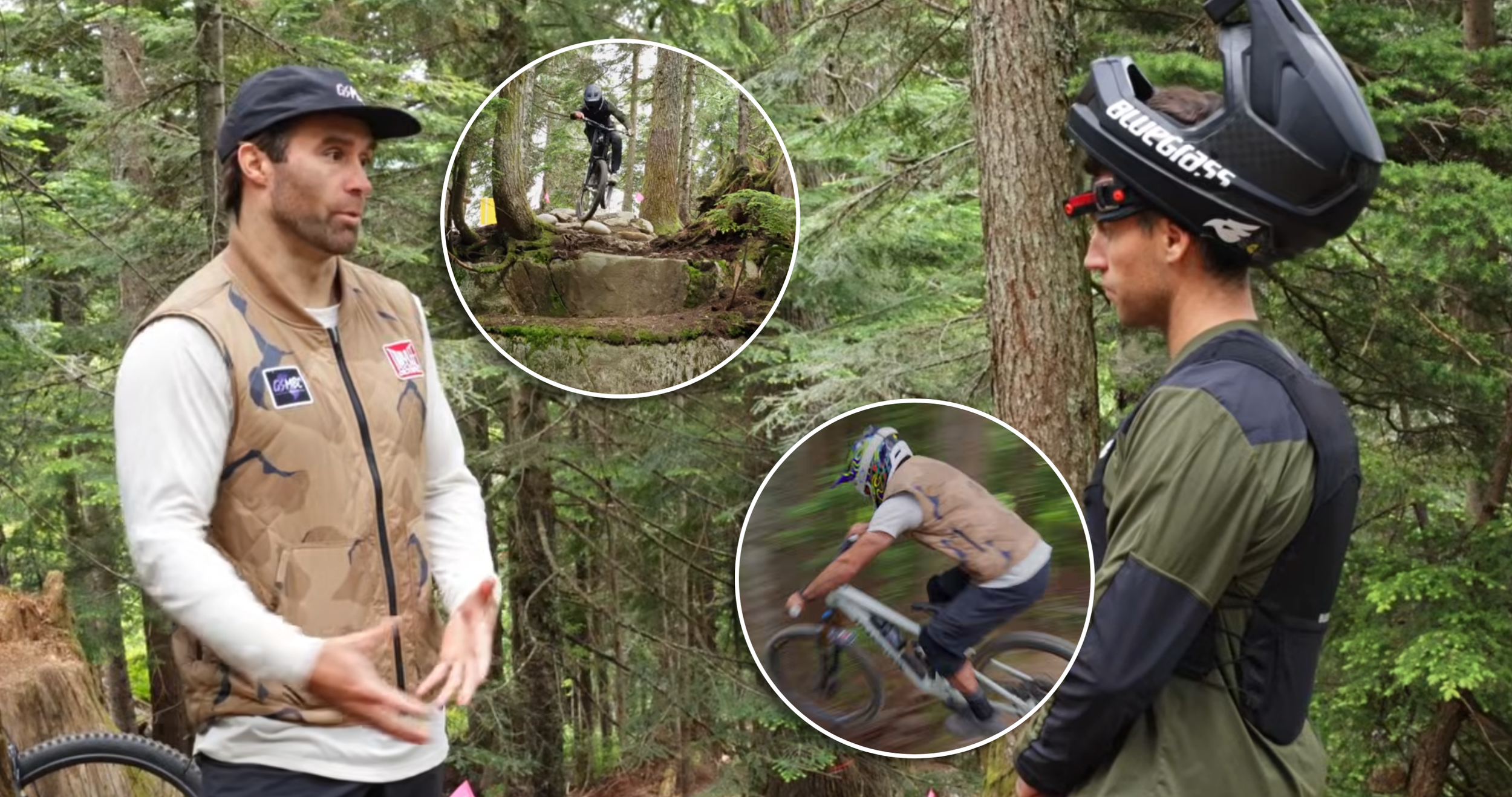
Essentials: How to Ride Drops on a Mountain Bike
A coach's guide to the physics of drops and the three tools that control them: Press, Absorb, and Poke.
Why it's not enough to just "take a break" (How coaches can prevent burnout)
Burnout is quieter than injury and easier to miss. This piece is about what burnout actually is, why stepping away is so psychologically hard, and how coaches can make the decision to pause a coachable skill rather than a crisis.
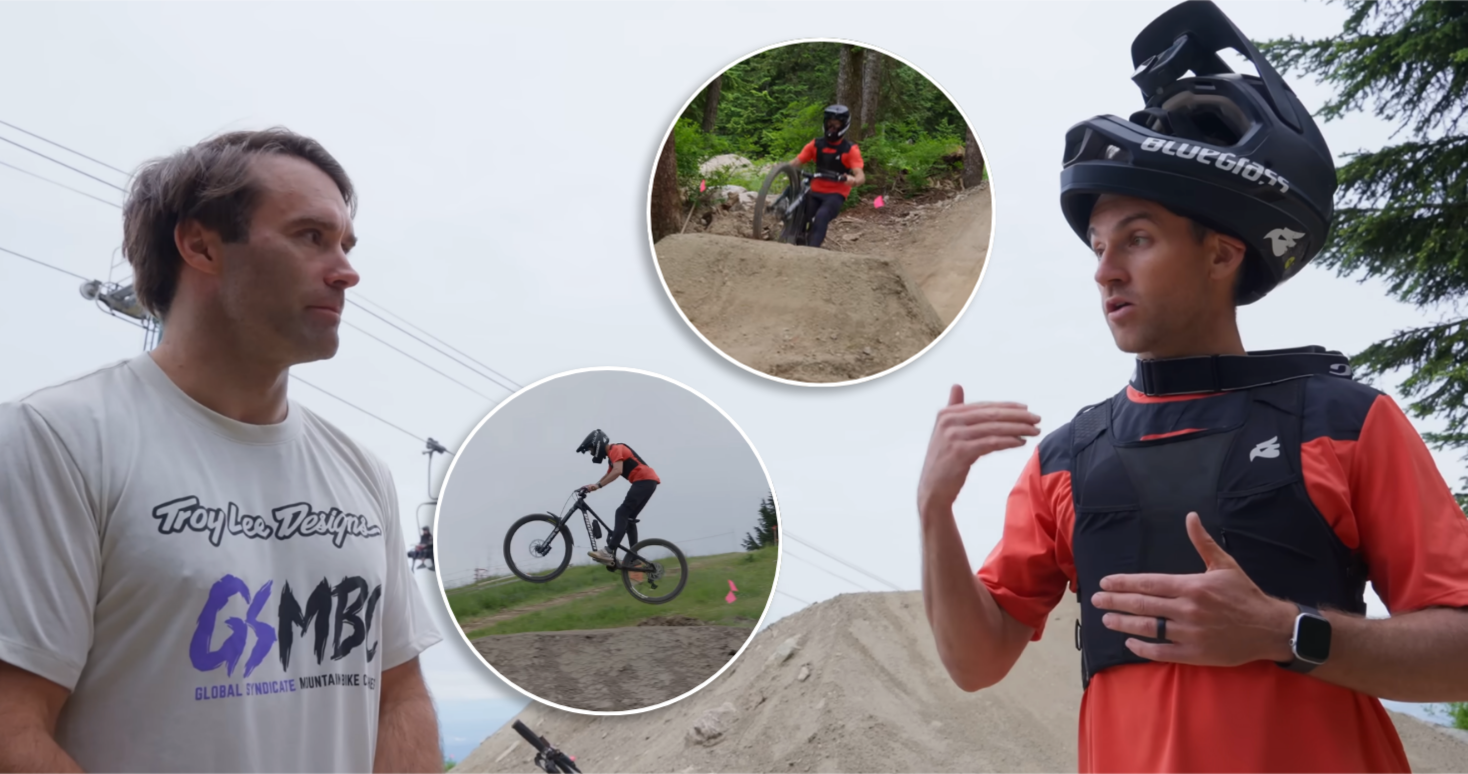
How to jump (ft. Rémy Métaillier)
In this video, GSMBC mentor Ross, works with Rémy Métailler to talk through jumping, the same framework we teach coaches in our AIR certifications. It's a practical look at what makes airtime repeatable, and how to coach it without turning every session into a leap of faith.
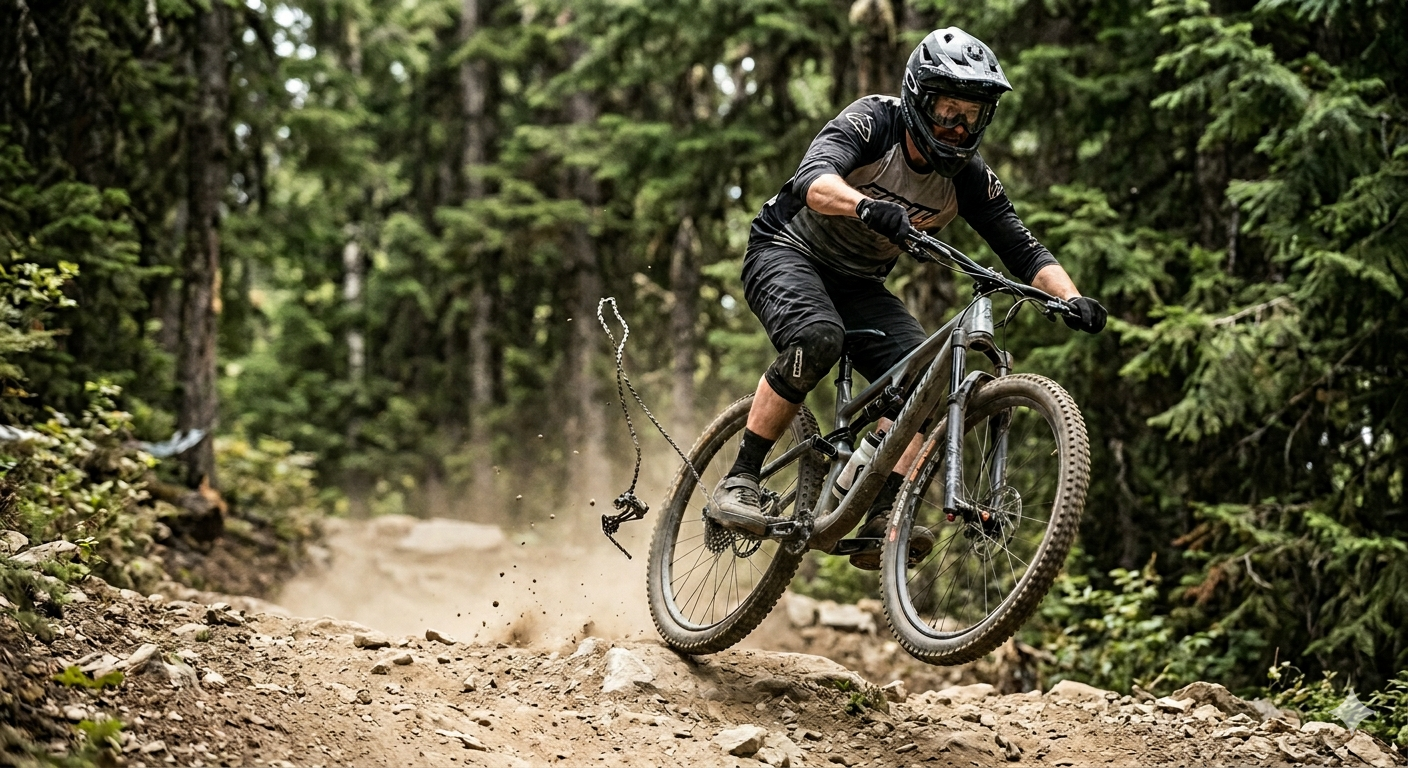
ESSENTIALS: How to Shift Gears on a Mountain Bike
Gears are the first skill most riders learn and the last one anyone coaches. A guide to cadence, the trade-offs behind every shift, and the technique that makes gear changes silent.
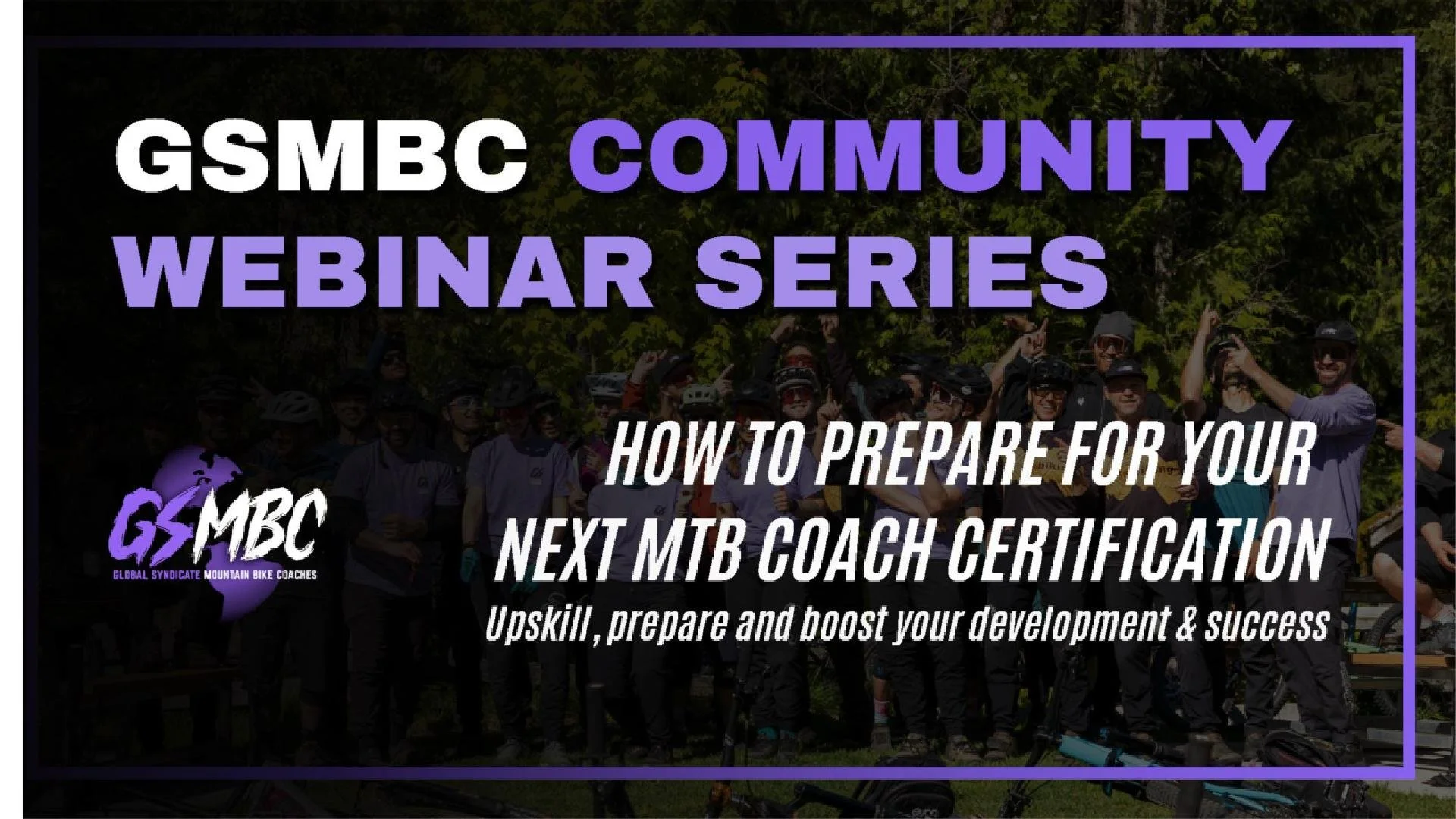
How To Prepare For Your Next MTB Coach Certification
Progressing through mountain bike coach certification is not just about booking the next course. It is about arriving prepared enough to get the most from it.
In this webinar, we look at how coaches can prepare for their next GSMBC certification, from Level 1 through to Level 4, with a focus on skill consolidation, mindset, training, and long-term development.
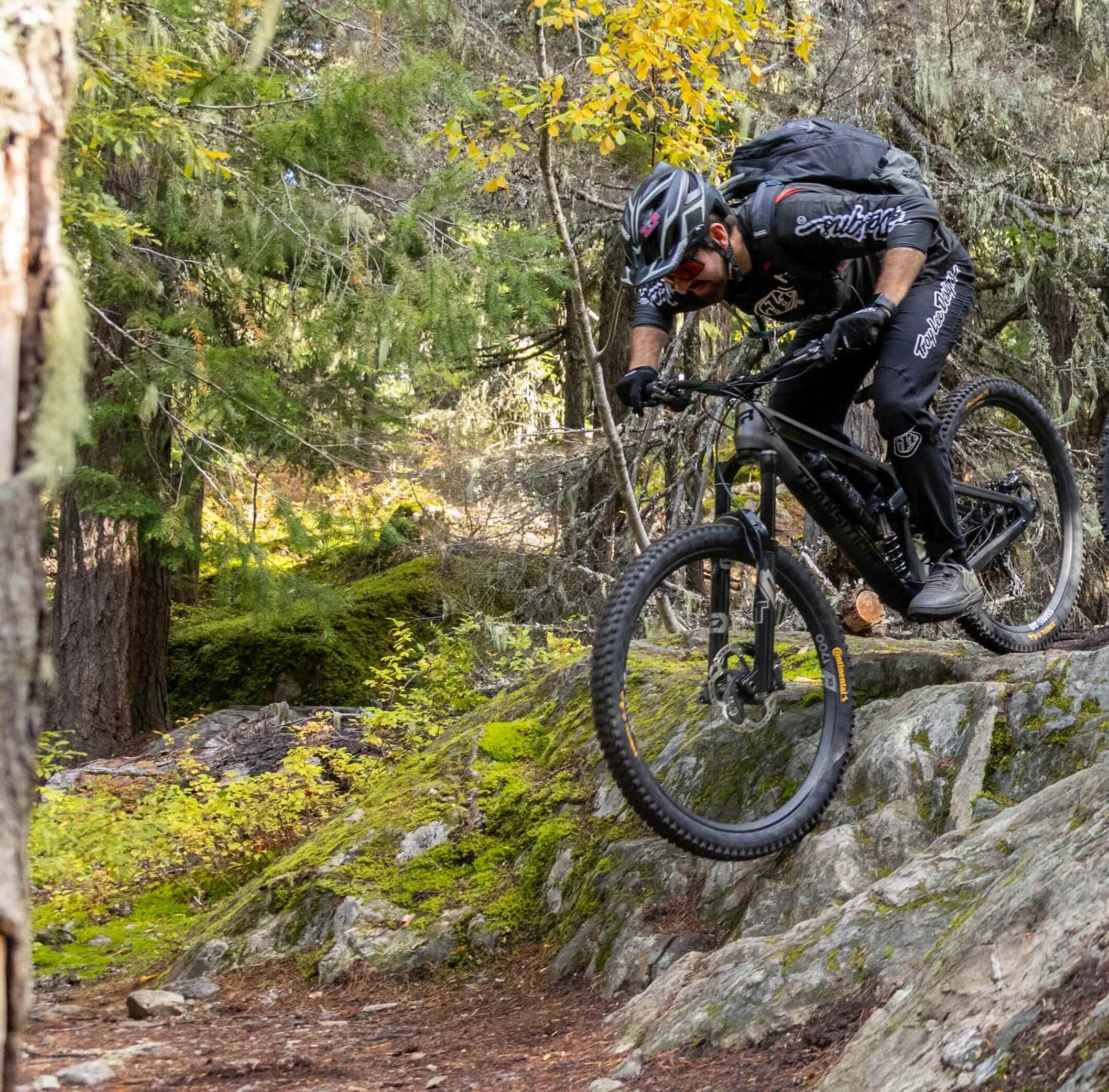
Point of Commitment: Why Hesitation Causes the Crash You're Trying to Avoid
Every tricky feature has a moment where planning has to stop and the body has to take over. Hesitate there and you don't just stall, you set off the exact crash you were trying to avoid. Here's what's happening in your eyes, your nervous system, and your body, and how we coach riders through it.

ESSENTIALS: How to Corner - Stability and Balance (INCLUDES 5 DRILL PROGRESSION)
Cornering is not just about getting lower.
In fact, one of the most common problems riders develop is getting too low, too often, and staying there regardless of speed, terrain, traction, or the type of corner. A lower position can be useful, but it is not automatically stronger, faster, or more stable.
For GSMBC coaches, this is an important shift.
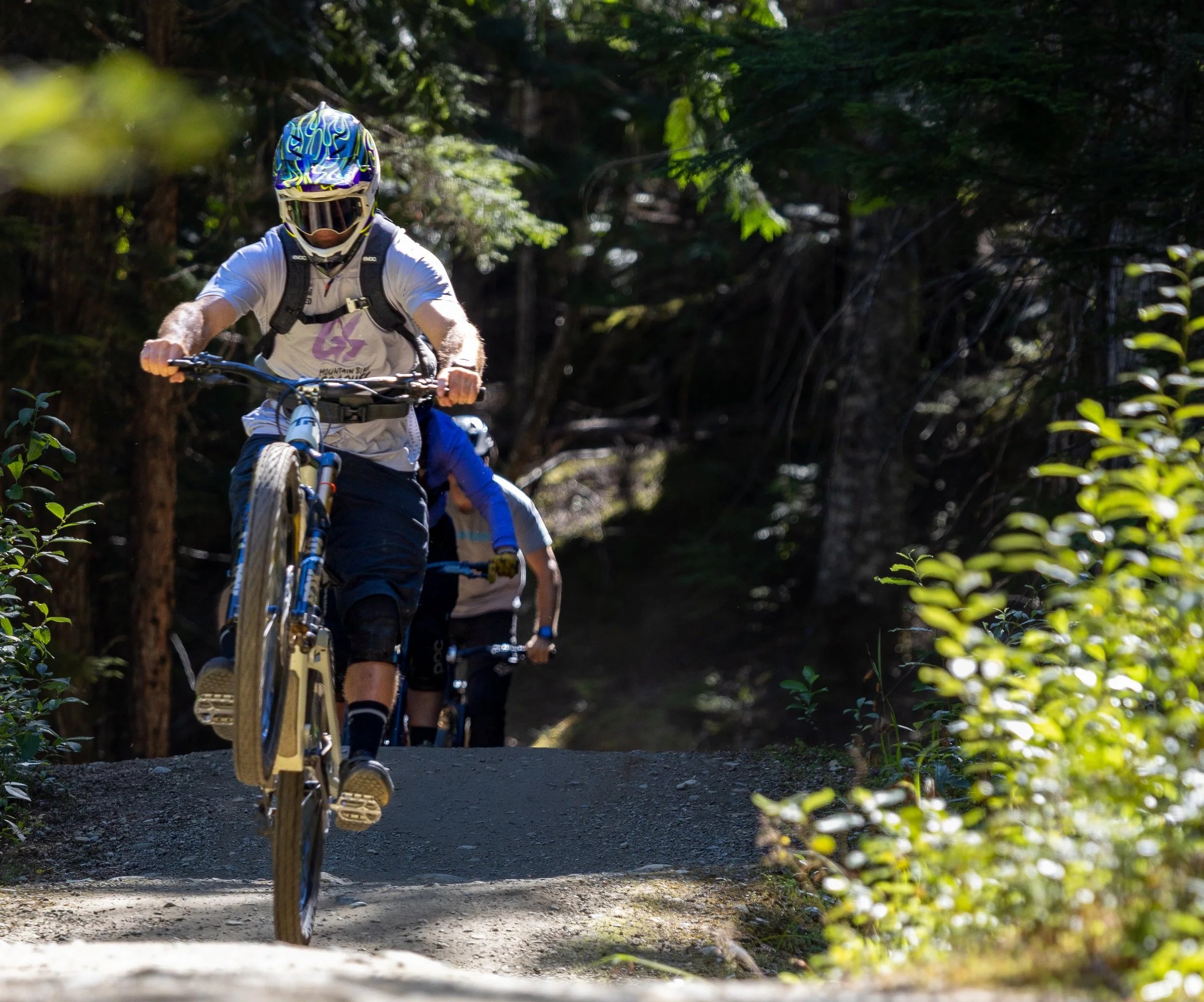
ESSENTIALS: How to Wheelie a Mountain BIke
Wheelies aren't just a party trick; learned properly, they're the foundation for lifting the front wheel over roots, rocks, and rollers. Here's how coaches can teach them, step by step.
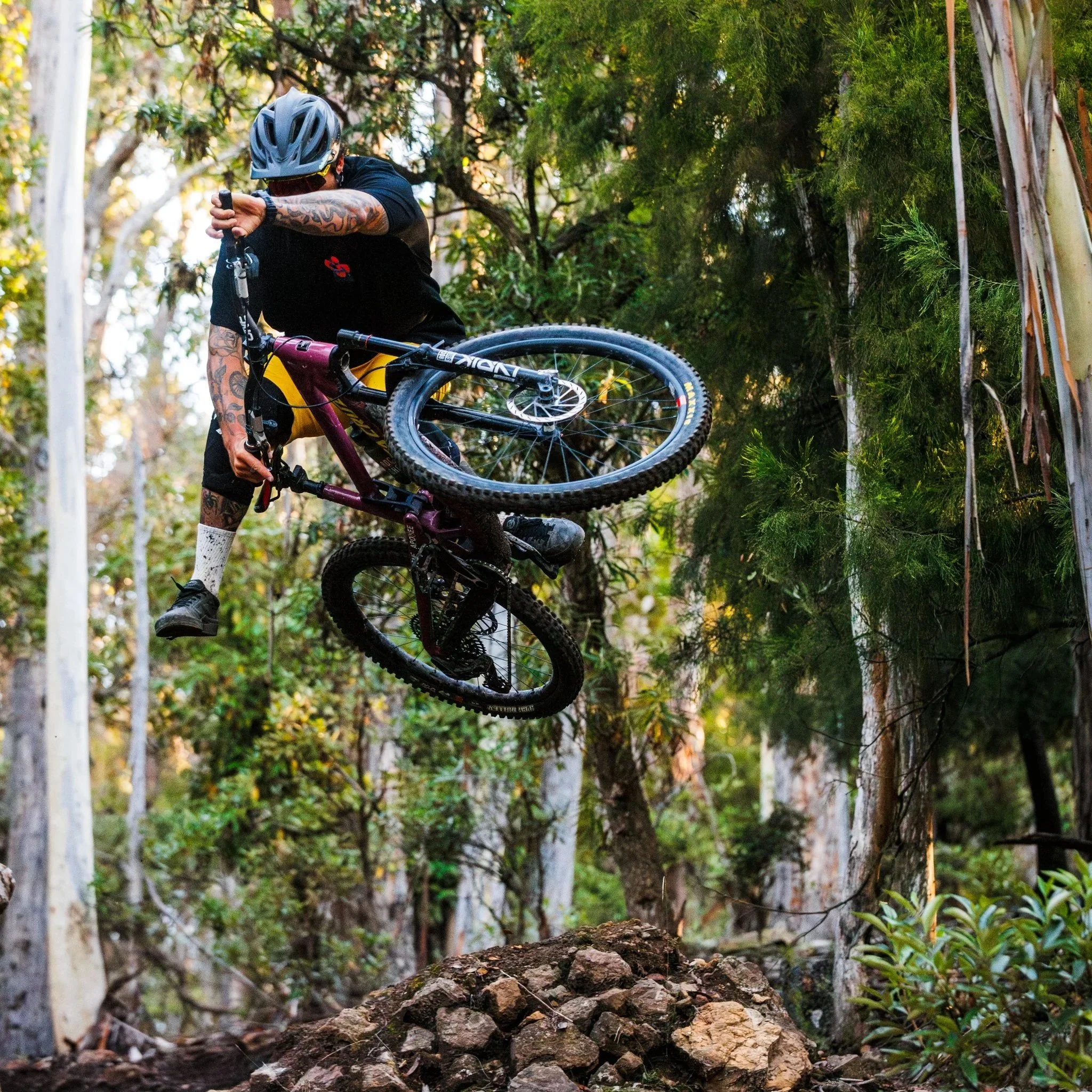
Does Reaction Time Training Actual Work?
You have seen the clips. An F1 driver catches a falling tennis ball. A footballer taps a light panel. But does reaction time training actually translate to better performance on the trail? The science says yes, within limits. The bigger question is whether you are training the right thing.
HOW CAN PERFORMANCE SHAPE BELIEF?
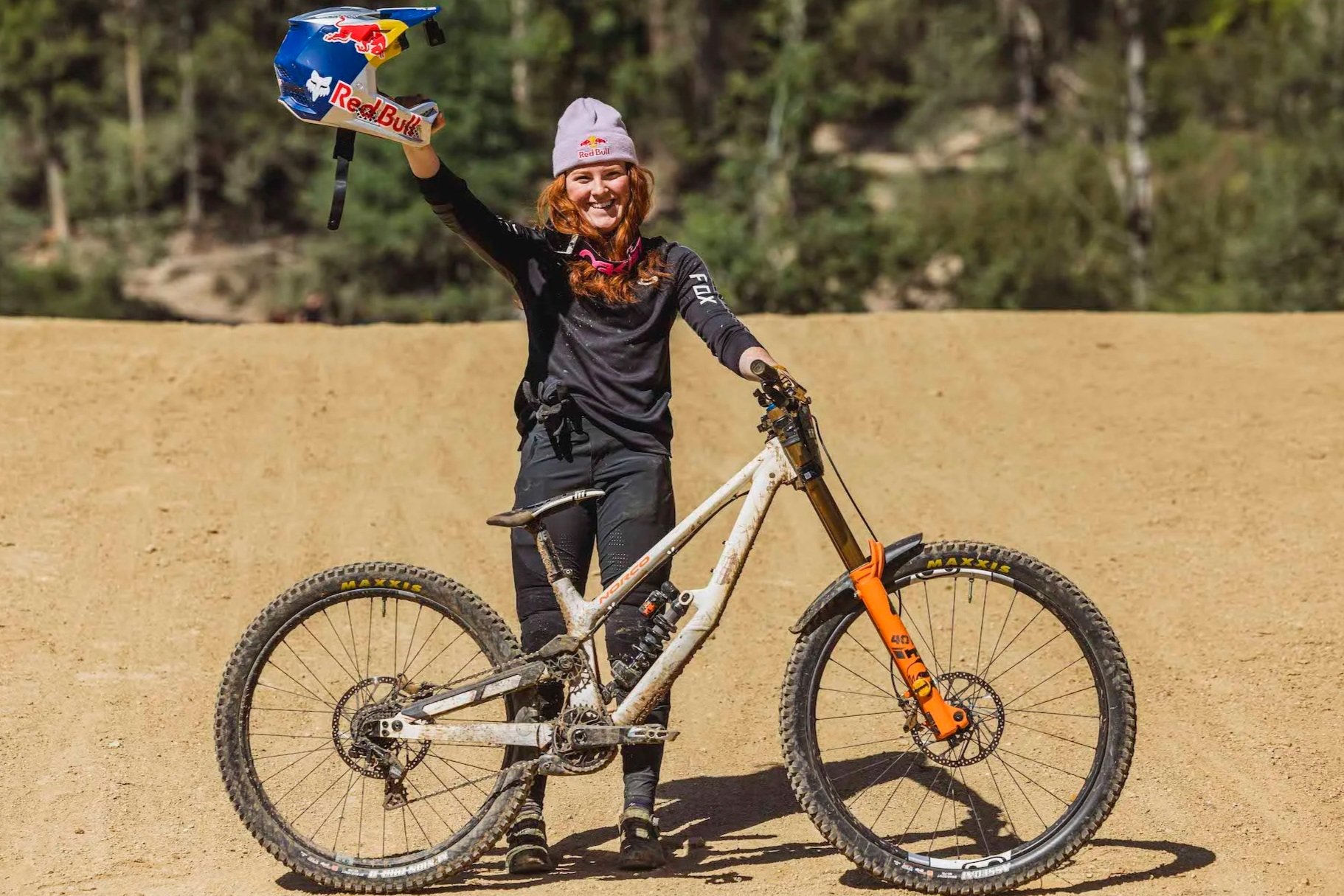
Roger Bannister breaks the four-minute mile, and suddenly a bunch of other runners do too. Not because the human body evolved overnight, but because belief and expectation are part of performance. The same pattern plays out on dirt. When Gracey Hemstreet finished a full race run at Red Bull Hardline Tasmania in 2024, she didn't just break a record. She broke a decade-long assumption. Within two years, the women's field went from zero finishers to a five-deep roster with a repeat champion.
What Elite Riders Do With Their Eyes That Beginners Don’t
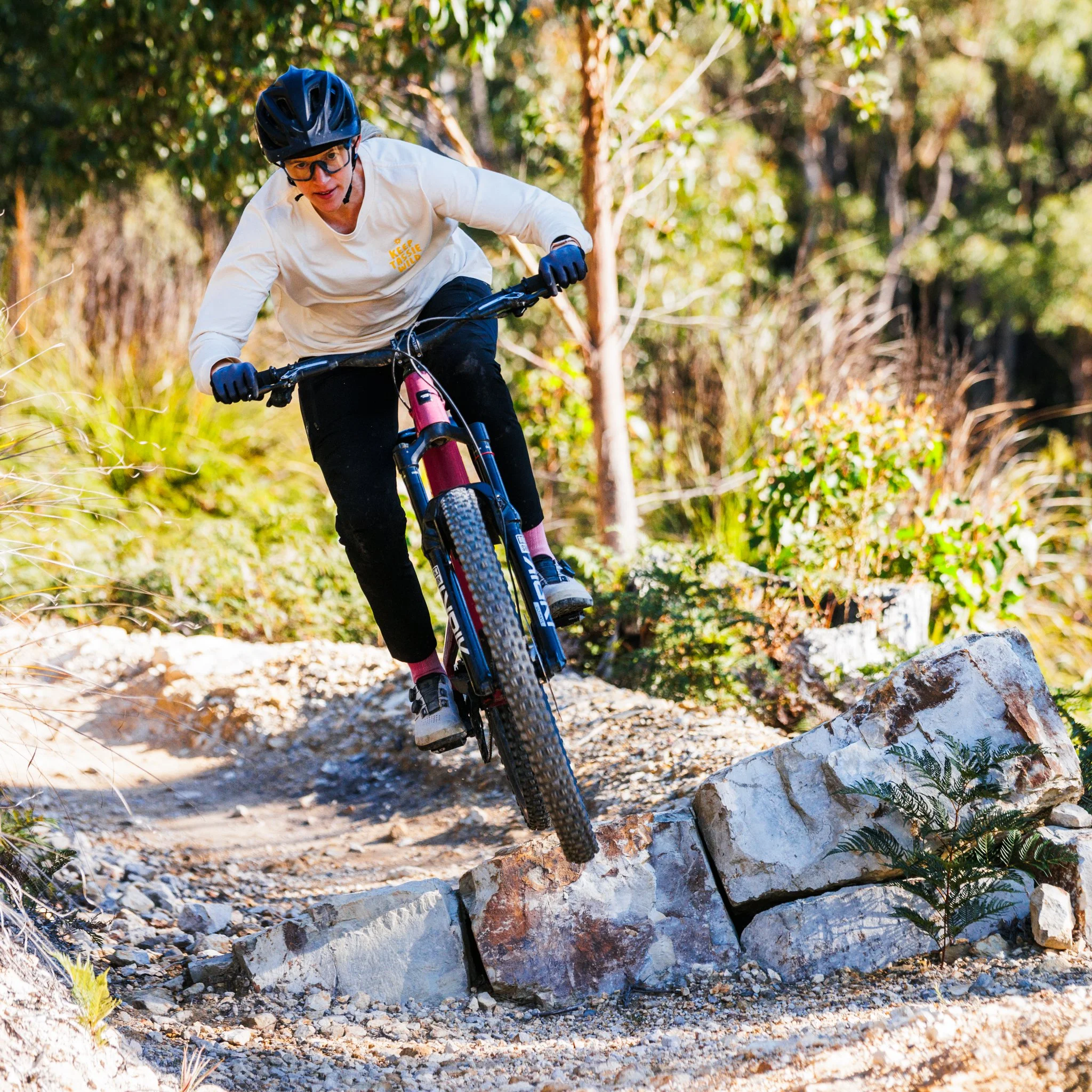
Watch a beginner ride a technical trail and watch an expert do the same thing. The difference is not strength. It is not bravery. It is not even bike handling in the way most people think about it.
The difference shows up first in the eyes.
Decades of performance research across sport tells us the same story. Experts see differently. They look earlier, they look longer, and they look with far less visual noise.
finite vs. infinite games
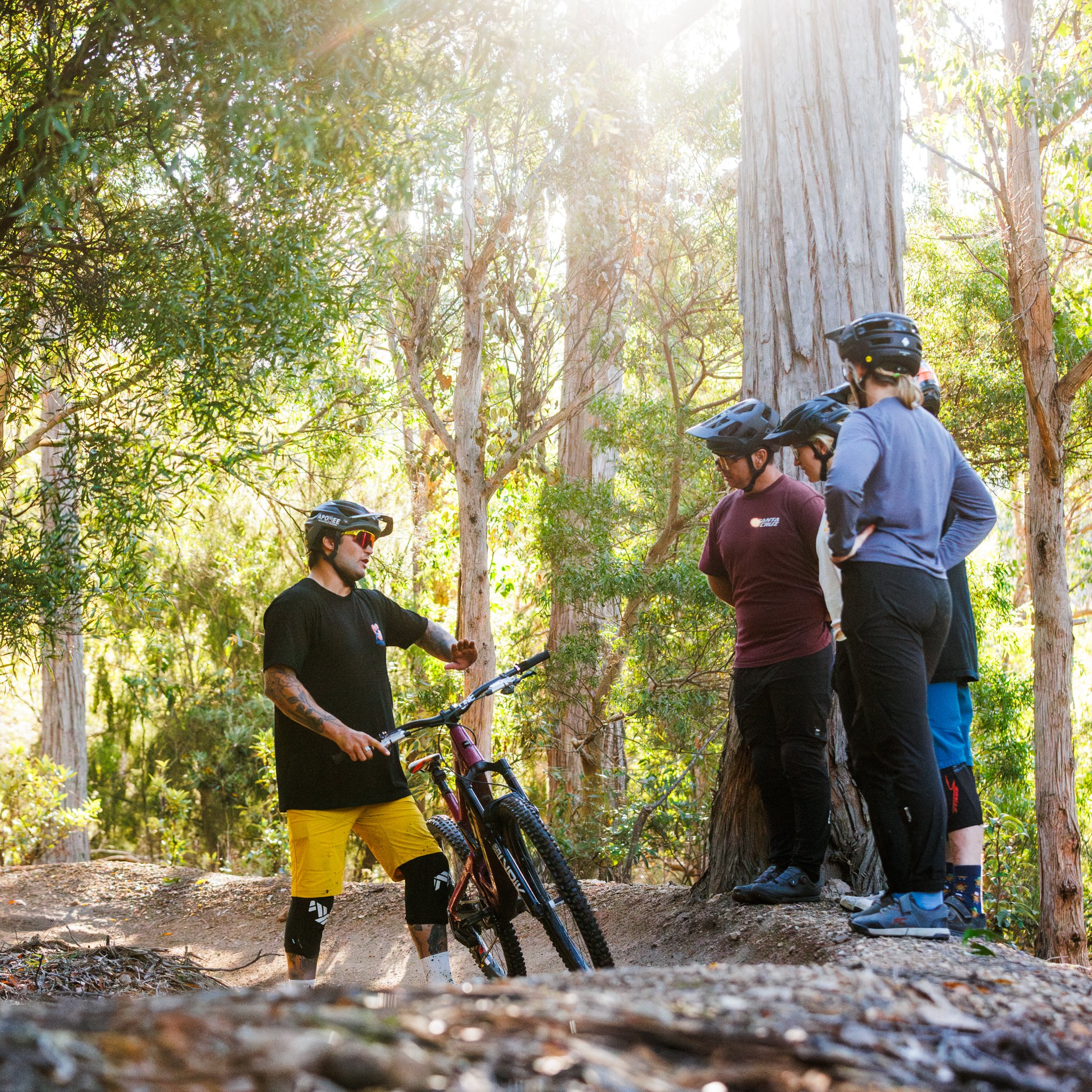
This article explores the difference between finite and infinite mindsets in mountain bike coaching. By playing the long game, coaches build better judgment, prevent burnout, and create impact that compounds season after season.
New Year, New Me?
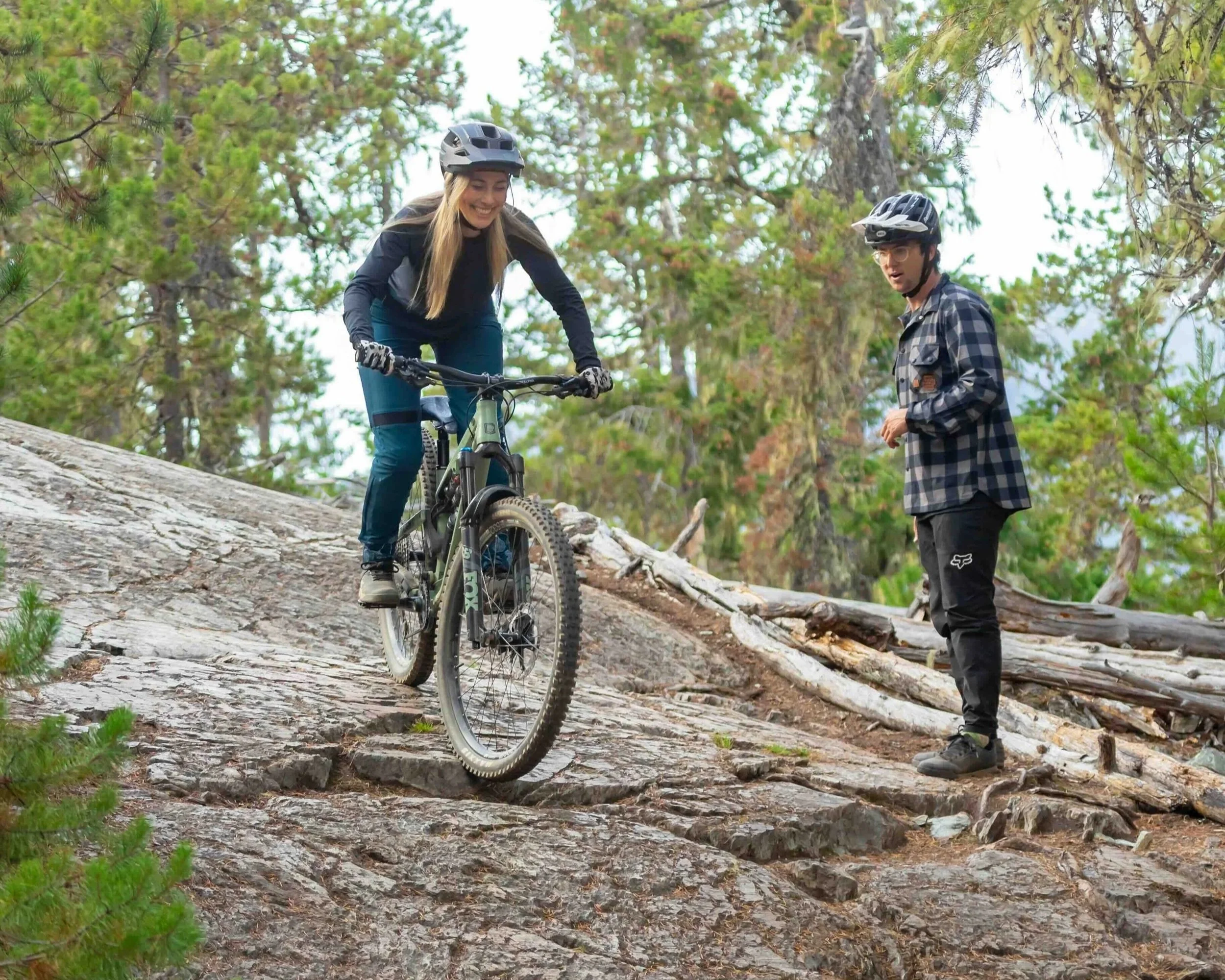
New Year’s resolutions fade fast: one report found only about 25% of people stay committed after 30 days, and under 10% ultimately achieve their resolution.
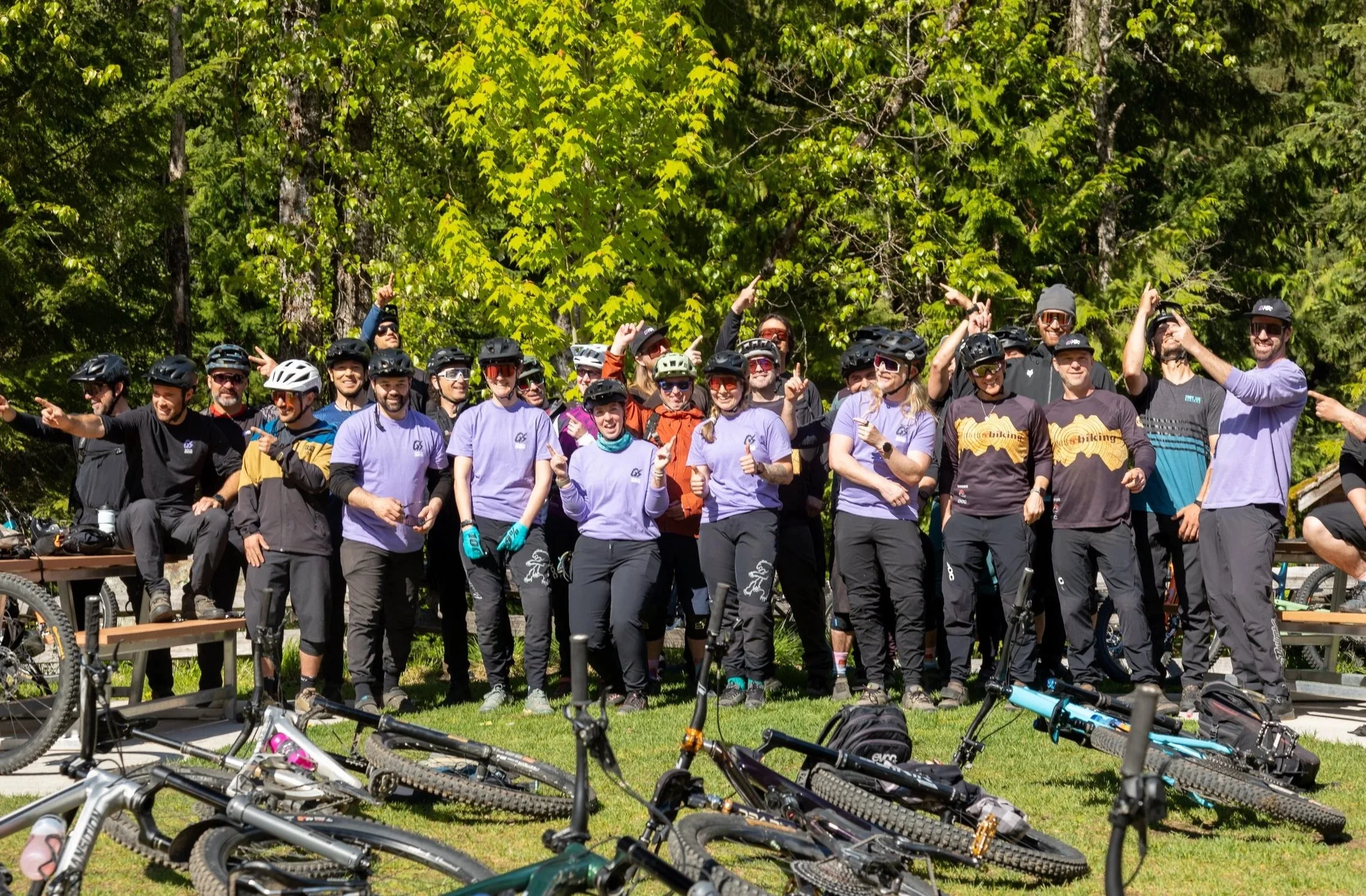
5 things we learned in 2025
Our first year at GSMBC was not about launching perfectly. It was about listening, adapting, and learning alongside coaches and mentors around the world. Here’s what the year taught us, and how it shaped the direction moving forward.
Neurodiversity on the Trail: ADHD
ADHD brings both challenges and strengths to mountain biking. Riders may struggle with focus, impulsivity, or emotional regulation, yet their energy, creativity, and hyperfocus can be powerful advantages when coached effectively. This post explores how ADHD shapes athletic performance and offers science-backed strategies for MTB coaches to help neurodiverse riders turn potential into progress.

E‑MTBs Are Reshaping Mountain Biking (What It Means for Coaches)
Electric mountain bikes are changing the way we ride — and the way we coach. From managing assist modes on climbs to understanding how torque delivery affects balance, coaching E-MTB riders requires more than just knowing the tech. It demands a shift in how we teach timing, terrain choice, and rider awareness.
Your Brain Needs a Warm-Up Too
Discover how elite MTB riders use pre-run rituals—like breathing, visualization, and mental walkthroughs—to boost confidence and focus before a race run. Backed by neuroscience, this blog explores how coaches can apply neural priming and state-dependent learning to help athletes perform under pressure.

Knowing When Not to Race: The Psychology of Pulling Back
In mountain biking, the toughest call isn’t always whether to send it — it’s knowing when not to. When Loïc Bruni and Tahnée Seagrave both chose to sit out the last race of year they proved that restraint can be the smartest form of strength. This post dives into the psychology behind those decisions, the “culture of risk” in sport, and how coaches can teach riders to recognize when holding back protects long-term performance.
Read the full piece and explore strategies from the GSMBC Reference Guide on building awareness, resilience, and smart decision-making.

Mountain Bike Coaching Q&A: Frame Sizing, Suspension, Setup & More
Getting the right mountain bike size isn’t guesswork—it’s science and coaching combined. In this GSMBC guide, we break down how to measure frame size, match bike fit to rider height, and choose the right wheel size for confident, efficient riding. Whether you’re fitting a 10-year-old on a 24-inch bike or coaching a 6-foot rider into a large 29er, proper sizing builds comfort, control, and skill progression. Grounded in GSMBC’s Reference Guide and Advanced Coach FLOW framework, this Q&A covers everything from seat height and handlebar setup to suspension tuning and common fitting mistakes. Written for coaches, instructors, and riders across Canada—especially those training on Whistler’s world-class trails—it’s your complete resource for teaching bike fit the right way.