E‑MTBs Are Reshaping Mountain Biking (What It Means for Coaches)
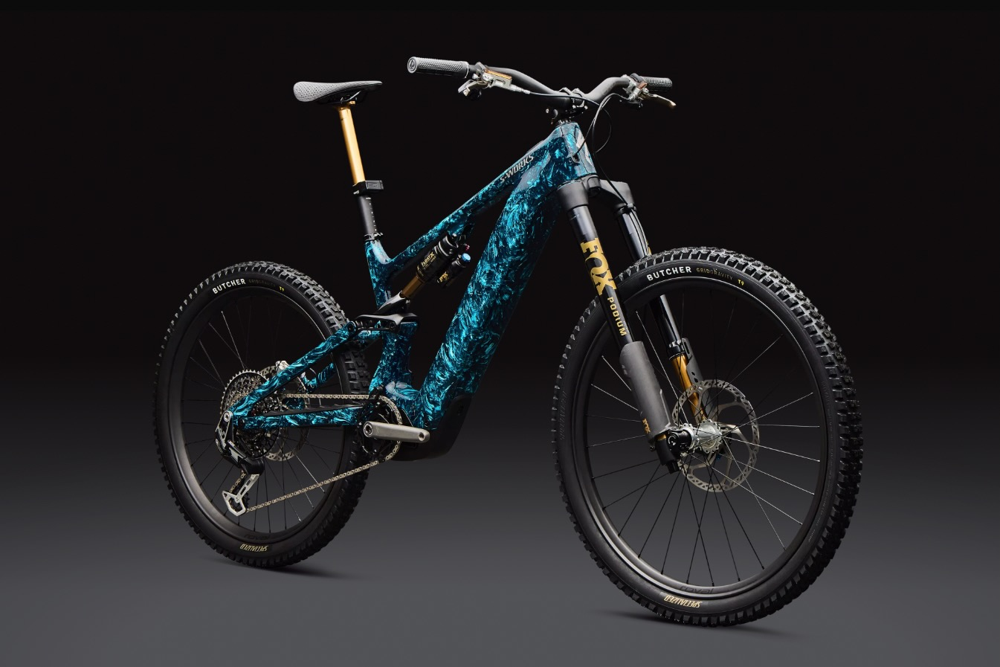
The Specialized S-Works Turbo Levo 4 LTD, with its elite components and eye-catching paint, exemplifies the ultra-premium e-MTBs that are driving big changes in the mountain biking world (20,000 USD)
The Rise of E-MTBs: Culture, Tech & Big Business
Electric mountain bikes have surged lately, igniting both excitement and debate. Culturally, they challenge the purist ethos of “earning your turns,” sparking endless trailhead conversations about whether pedal-assist is cheating or a gateway for more riders to join the sport.
Technologically, e-MTBs blur the line between bicycle and motorbike - today’s top models boast powerful motors and high-capacity batteries integrated so seamlessly that at first glance you might miss they’re electric at all. Economically, they’ve opened a lucrative new frontier in the bike industry, with major players (and even car companies) piling in.
With the recent launch of Specialized’s flagship Turbo Levo e-MTB now costs upwards of $20,000 USD, a price “more than some new cars”. This halo bike arms race - embodied by the carbon S-Works Levo packing a 720-watt motor and 110 Nm of torque - signals how far e-MTB technology has come, but also raises eyebrows about affordability and excess.
Culturally, e-MTBs broaden access by enabling older, less fit, or new riders to take on climbs and longer rides.
At the same time, they raise concerns about fairness, trail etiquette, and being perceived as “mini dirt bikes,” which could invite stricter regulations.
e-MTBs open opportunities for inclusion, family riding, and more laps per day, but they also present cultural tensions and ecological trade-offs that the mountain biking community is still negotiating.
The E-MTB Power Race: How Much is Too Much?
In the past few years, we’ve seen a specs arms race: motors advertising over 100 Nm of torque and 700-750 watts of peak power are no longer unheard of.
For context, that torque figure exceeds what many 50cc gas scooters produce - on a mountain bike, it’s a lot. Does anyone really need that much juice?
Already, some markets are considering stricter limits on peak power, and manufacturers are keenly aware that pushing e-MTBs too far into mini-motorcycle territory could invite a crackdown. Rider sentiment also reflects this tension: plenty of enthusiasts love the “free speed” and capability that a torquey motor provides, but many others worry ultra-powerful e-bikes could lead to trail access issues (e.g. getting banned from non-motorized trails) or simply spoil the experience by taking skill out of the equation.
So what’s next for e-MTB tech?
Interestingly, the consensus is not that we’ll see 1000 W motors anytime soon. Instead, the future may lie in smarter, more efficient use of power.
Motor makers are working on refined torque curves and better sensors so that the assist feels smoother and more natural, delivering help only when you need it - and in a way that preserves traction on loose climbs. Battery technology is also critical - larger capacity is useful, but weight and bulk are the trade-offs. This has given rise to a new category of “light e-MTBs” that use smaller, lighter motors and batteries to preserve agile handling at the cost of raw power.
On the other end, big brands like Bosch and Yamaha have introduced “Race” e-MTB motors with short-term boost modes, and even over-the-air firmware updates that bumped their flagship motors from 85 Nm to 100 Nm torque in the field.
Beyond the numbers, many engineers argue the real innovation needed is standardization. Today’s e-bike systems are largely proprietary - batteries, motor mounts, and software often only work within one brand’s ecosystem. This has frustrated riders (and shops) when it comes to repairs or upgrades.
More power isn’t always better
Tire slip, battery drain, and stress on drivetrain components all increase with torque. Already, a modern e-MTB at full boost can overwhelm the traction on a loose climb - leading some riders to joke that “turbo mode” is just a quick way to break traction or do an awkward wheelie.
Real-world testing shows the current power levels are plenty: in a recent experiment, e-MTB riders climbed a course significantly faster (24.3 km/h vs 17.2 km/h) than they did on analog bikes, while expending about 36% less effort (measured by power output).
In fact, heart rate data suggest e-bikes can still provide a solid workout - one pilot study found that riders’ average heart rate on an e-MTB was 94% of their heart rate on a conventional bike over the same trail, even though subjectively they felt it was easier.
If you’re looking to get a workout, and cover more ground - it’s a great option. Today’s motors already let you go much faster with slightly less exercise; making them twice as powerful would likely just spin your tires or require motorcycle-quality parts.
The next frontier might instead be integration and intelligence: think adaptive assist modes that automatically dial power back in delicate trail situations, or integration with suspension and dropper posts to adjust the bike’s settings on the fly.
Safety isn’t being ignored either - research is underway on mountain bike ABS brakes and traction control specifically tuned for the higher speeds of e-bikes.
Ultimately, the e-MTB of the future is likely to be not just more powerful, but a lot smarter and more customized to the rider and terrain.
Coaching the E-MTB Generation: New Approaches for New Bikes
With e-MTBs rewriting the possibilities of where and how we ride, it’s only natural that mountain bike coaching will need to evolve as well. Coaches today are starting to ask important questions: How do you teach fundamental skills when a rider has a motor at their disposal? How do you structure a lesson or clinic when some participants might be on e-bikes and others on regular bikes? And what new techniques or considerations come into play with e-assisted rides? The core skills of mountain biking - balance, body position, braking, cornering, etc. - remain as important as ever, but the context is shifting. Here are a few key areas where e-MTBs are changing coaching strategies:
Climbing & Pacing: One of the biggest game-changers is climbing. An average rider on an e-MTB can tackle steep climbs that would leave even fit riders gasping on a normal bike. However, climbing on an e-bike isn’t “automatic” - it introduces its own techniques. Coaches now work on teaching torque management and traction control on technical ascents.
NICA, the interscholastic cycling league, reports that many coaches of youth teams use e-bikes to leapfrog between fast and slow groups on trail rides.
Coaches are also teaching e-MTB riders how to manage battery life over a day - essentially energy budgeting. This might mean advising riders to use Eco mode for the first long climb to ensure they have enough battery for the whole session, or planning clinic routes around charging stops. In essence, lesson planning for e-MTBs may resemble a mix of skill coaching and resource management, which is a new wrinkle for instructors.
Weight & Bike Handling: E-MTBs typically weigh more than their analog counterparts due to the motor and battery. This weight brings stability in rough terrain, but also affects handling.
Coaches working with e-MTB riders often emphasize braking earlier and body position adjustments to account for the extra momentum. For instance, an e-bike can carry speed quickly out of a turn (thanks to motor assist), so the rider must be adept at scrubbing speed and setting up for the next corner - otherwise they’ll come in too hot.
Effective braking technique becomes even more critical on a 50+ pound e-bike to stay in control on descents. The weight distribution of e-MTBs - usually low and centered due to the battery - can actually be a benefit, lending a planted feel. But it can surprise riders when they try moves like manuals or bunny hops.
Newbies on e-bikes may struggle to lift the front wheel at first; thus, teaching the timing and “pumping” technique to unweight an e-MTB is now part of some skills clinics.
Similarly, cornering drills for e-MTB riders might focus on slightly wider lines and more emphasis on vision (looking through the turn) to compensate for the bike’s inertia. Another subtle adjustment is in line choice: e-MTB riders can often muscle up and over obstacles that would stop a traditional bike (with the motor doing the hard work), but coaches may caution against relying on brute-force. Instead, the mantra is to use the e-assist to augment good technique, not replace it.
For example, rather than plowing straight up a rocky climb in Boost mode (which could spin the rear tire and erode the trail), a skilled e-MTB rider will still pick a clean line, use a moderate assist setting, and employ proper weight shift to maintain traction. Coaches are incorporating these nuances into their teaching progressions.
Fitness & Expectations: Paradoxically, coaching e-MTB riders often involves managing expectations about fitness. Many new e-bike riders assume the motor will do everything and that fitness no longer matters - a misconception that coaches work to dispel. While it’s true e-MTBs reduce the cardio strain of riding, they don’t eliminate it; and as noted, they can still provide a solid workout.
Some coaches use e-bikes to level the field in mixed-ability groups - for instance, a less-fit rider on an e-MTB can ride alongside a very fit rider on an analog bike, and both get a good workout and stay together (something that’s hard to achieve otherwise).
From a coaching perspective, that opens opportunities to include more people in sessions and keep group morale high.
”However, it also means coaches must design activities where e-bikes don’t overshadow skill learning.”
A critical coaching point is ensuring that riders don’t become overly reliant on the throttle (so to speak). Just because a rider can use Boost mode to shortcut a tough section doesn’t mean they always should - a good coach will sometimes have an e-MTB rider practice in the lowest assist setting to really dial in their technique, then add assistance gradually.
It’s a bit like weight training: you might practice form with lighter weight before lifting heavy. By adjusting assist levels strategically during drills, coaches can ensure e-bike students still master the fundamental skills and not let the technology “mask” poor technique. This is an emerging practice in clinics - effectively using the e-bike’s settings as part of the coaching toolkit.
Trail Etiquette & Safety: Finally, coaches are finding they need to address trail etiquette and ethics explicitly with e-MTB riders. Because e-bikes enable higher speeds and more laps, there’s potential for greater user conflict or environmental impact if riders aren’t conscientious.
Many early critics of e-MTBs voiced concerns about “irresponsible riders” tearing up trails. Good coaching can proactively counter this by instilling a respectful riding style in e-MTB users from the get-go.
How GSMBC’s Progressive System Supports E-Bike Era Coaching
Adapting to the e-MTB expansion isn’t something individual coaches need to do in isolation. Organizations like the Global Syndicate of Mountain Bike Coaches (GSMBC) are helping lead the charge by updating training curricula and certification programs to encompass new developments in our sport.
GSMBC’s progressive 4-tier coach certification system is specifically designed to evolve with technology and times. It provides a comprehensive pathway for coaches to build their skills step by step - and that pathway is anything but static. By combining the classic coaching fundamentals with supplemental specialty courses and online learning, GSMBC ensures that topics like e-MTBs can be folded into a coach’s education as they emerge.
GSMBC fosters also means there’s a community to share best practices on e-MTB coaching. As one coach figures out a great method for an e-bike wheelie or a cool drill for assist timing, that knowledge can be passed along through GSMBC’s network, blog, or courses, helping raise the industry standard. Given how fast e-MTB tech is evolving, this collaborative learning model is invaluable, and prevents coaches from falling behind the curve.
In the end, the goal is the same as it’s always been: to help riders improve skills, confidence, and enjoyment on the trails. E-bikes are just a new tool - a powerful one - and with the right training, coaches can harness that tool to unlock new realms of progression for their students.
Embracing the Future (With a Dose of Caution)
As e-MTBs continue to spread, we’re likely to see the mountain biking landscape permanently changed - much like how suspension or dropper posts once revolutionized riding. It’s an exciting time: we’re witnessing cycling innovation in real time, and rides that were once unimaginable (like clearing a 5,000 ft climb twice in a morning) are becoming almost routine for e-MTB enthusiasts.
The key is to approach this new chapter with a balance of curiosity and healthy skepticism. We should ask the tough questions (Are e-bikes appropriate on all trails? How do we keep things safe? Are we preserving the spirit of the sport?) while also welcoming the positive aspects (more people riding bikes, new teaching techniques, and the simple joy an e-MTB can bring when used responsibly).
If there’s one takeaway for coaching, it’s that adaptability is now more important than ever. The core principles of good coaching - communication, understanding the rider’s needs, progressive skill development - remain solid. By layering in knowledge about e-MTB technology and its implications, coaches can ensure they stay relevant and effective.
Curious to learn more? Members can sign up for our E-MTB Online Course
If you want to learn more about this topic, here are the articles and paper’s we used in this blog.
Peer-reviewed studies
Kuwaczka, L. F., Mitterwallner, V., Audorff, V., & Steinbauer, M. J. (2023). Ecological impacts of (electrically assisted) mountain biking. Global Ecology and Conservation, 44, e02475. https://doi.org/10.1016/j.gecco.2023.e02475
Rauter, S., Supej, M., & Vodičar, J. (2023). Examining the efficiency of electric-assisted mountain biking across different types of terrain. Applied Sciences, 13(21), 11677. https://doi.org/10.3390/app132111677
Hall, C. M., Hoj, T. H., Julian, C., Wright, G., Chaney, R. A., Crookston, B., West, J. H., Rimmer, B., Wen, H., Howell, J., & Lai, B. (2019). Pedal-assist mountain bikes: A pilot study comparison of the exercise response, perceptions, and beliefs of experienced mountain bikers. JMIR Formative Research, 3(3), e13643. https://doi.org/10.2196/13643
(Note: This paper is sometimes mis-cited to “Lefferts, Sperlich & De Bock”; the correct authorship is above.)
Trade / media coverage
Stott, S. (2025, August 29). Burning question: What’s the future of e-MTB motor power and torque? Pinkbike. https://www.pinkbike.com/news/burning-question-whats-the-future-of-e-mtb-motor-power-and-torque.html (Bikerumor)
Specialized breaks the price ceiling with $20,000 S-Works Turbo Levo 4 LTD. (2025). Bikerumor. https://bikerumor.com/specialized-breaks-the-price-ceiling-with-20000-s-works-turbo-levo-4-ltd/
(Independent report summarizing the Levo 4 LTD launch and specs—720 W, 110 Nm.) (Muck Rack)First look: New Bosch CX-R motor, plus over-air torque and power enhancement for CX drive unit. (n.d.). Pinkbike. https://www.pinkbike.com/news/first-look-new-bosch-cx-r-motor-plus-over-air-torque-and-power-enhancement-for-cx-drive-unit.html (Retrieved November 5, 2025). (Pinkbike)
Evaluating the ecological impacts of mountain biking. (2023, May). Phys.org. https://phys.org/news/2023-05-ecological-impacts-mountain-biking.html (Pinkbike)
Web resources / reports / org pages
Grand View Research. (n.d.). U.S. mountain e-bikes market (2024–2030): Size, share & trends. Retrieved November 5, 2025, from https://www.grandviewresearch.com/industry-analysis/us-mountain-e-bikes-market-report (Grand View Research)
National Interscholastic Cycling Association (NICA). (2025, October 28). How e-bikes are changing the coaching landscape. https://coaching.nationalmtb.org/trailhead/how-e-bikes-are-changing-the-coaching-landscape/ (NICA Coach Education)
American Trails. (2019, March). Pedal-assist mountain bikes: A pilot study… (JMIR Formative Research study summary). https://www.americantrails.org/resources/pedal-assist-mountain-bikes-a-pilot-study-comparison-of-the-exercise-response-perceptions-and-beliefs-of-experienced-mountain-bikers (American Trails)
Ford eBikes. (n.d.). Bronco electric trail bike. Retrieved November 5, 2025, from https://ford-bikes.com/products/bronco-electric-mountain-bike (Official Ford licensed eBikes)
Global Syndicate MTB Coaches (GSMBC). (n.d.). Mountain bike instructor & coach certification programs (Levels 1–4). Retrieved November 5, 2025, from https://www.gsmbc.pro/mountain-bike-coach-certification (Global MTB Coaches)
University of Bayreuth. (2023, May). Review article on environmental impacts of mountain biking (news/press page referencing Kuwaczka et al.). https://www.spowi5.uni-bayreuth.de/en/news/2023/Review-article-on-environmental-impacts-of-mountain-biking/index.html (University of Bayreuth E-Books)
Stott, S. — articles index. (n.d.). Muck Rack. https://muckrack.com/seb-stott/articles (useful for byline verification). (Phys.org)
u/MR_GD. (2024). Ebikes and fitness? Reddit, r/MTB. https://www.reddit.com/r/MTB/comments/1f4qui9/ebikes_and_fitness/ (Community discussion; not a scholarly source.) (Reddit)