5 things we learned in 2025
When you start something new, you imagine momentum. What you get instead is friction, questions, and a lot of moments where you are not sure if you are doing it right.
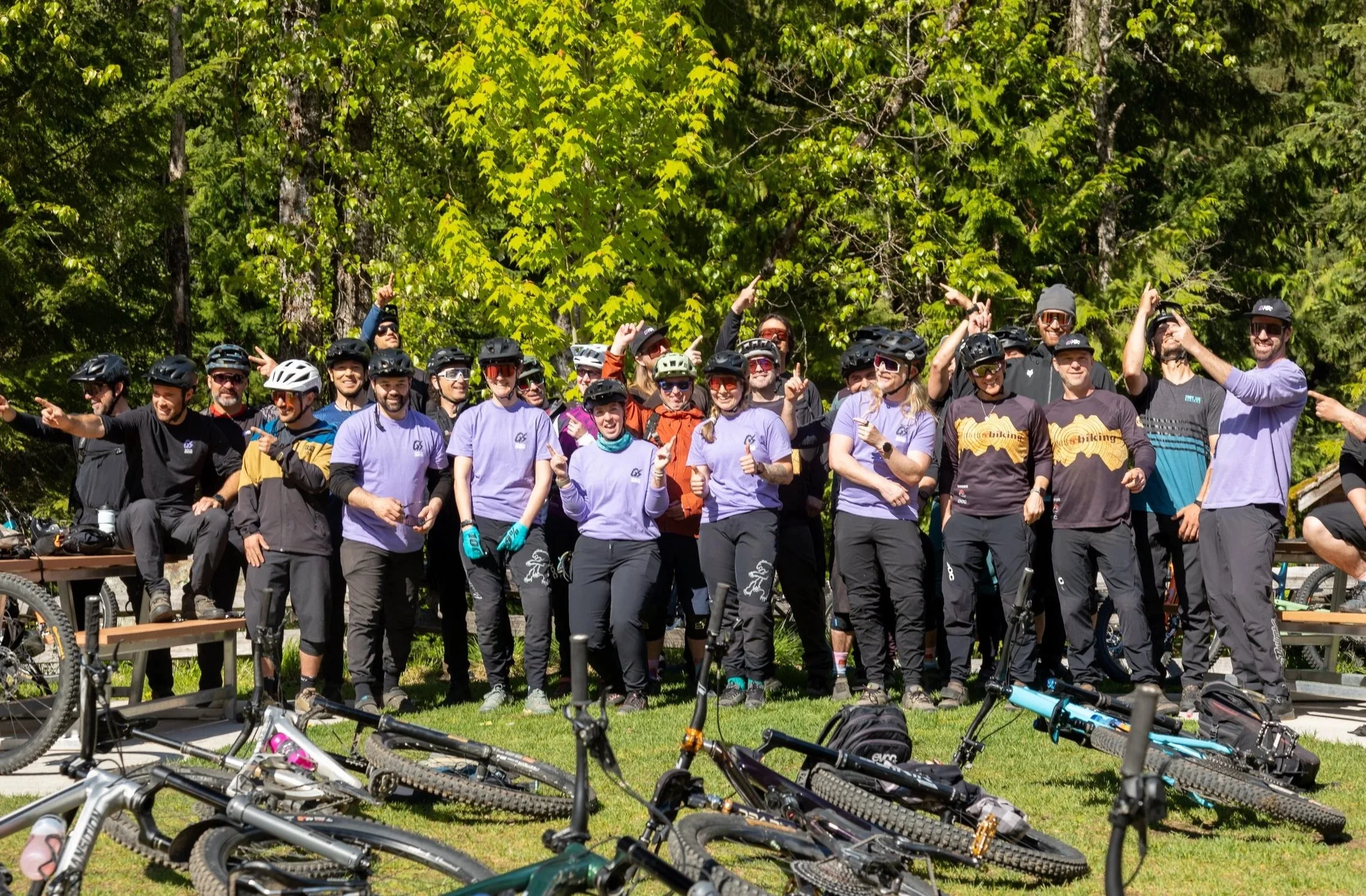
2025 was GSMBC’s first full year. Not our first year in mountain biking, coaching, or education, but the first year trying to build something under a new banner, with new systems, and new expectations. Looking back, the most valuable part was not what we launched, but what the process taught us.
Here are five things we learned along the way.
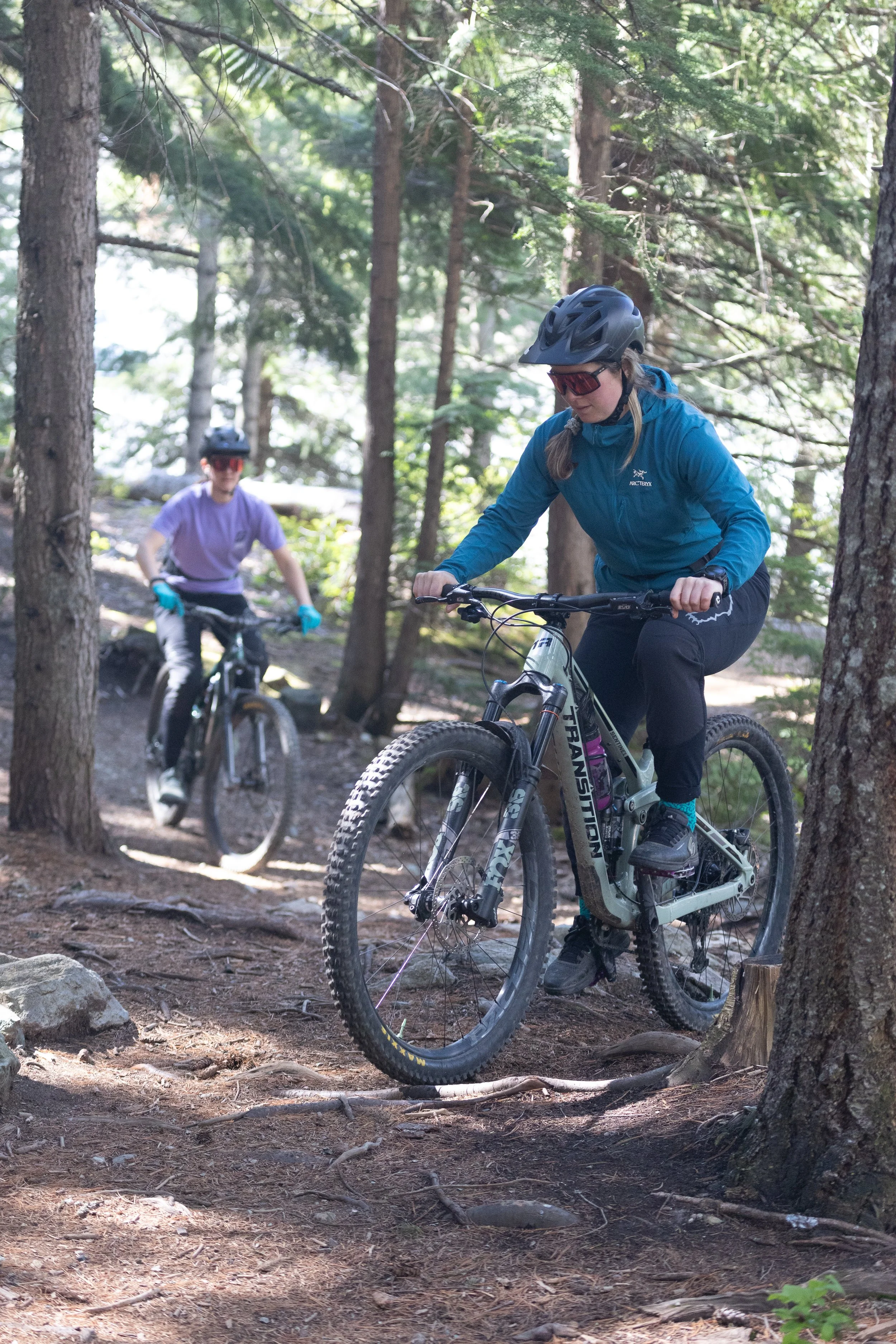
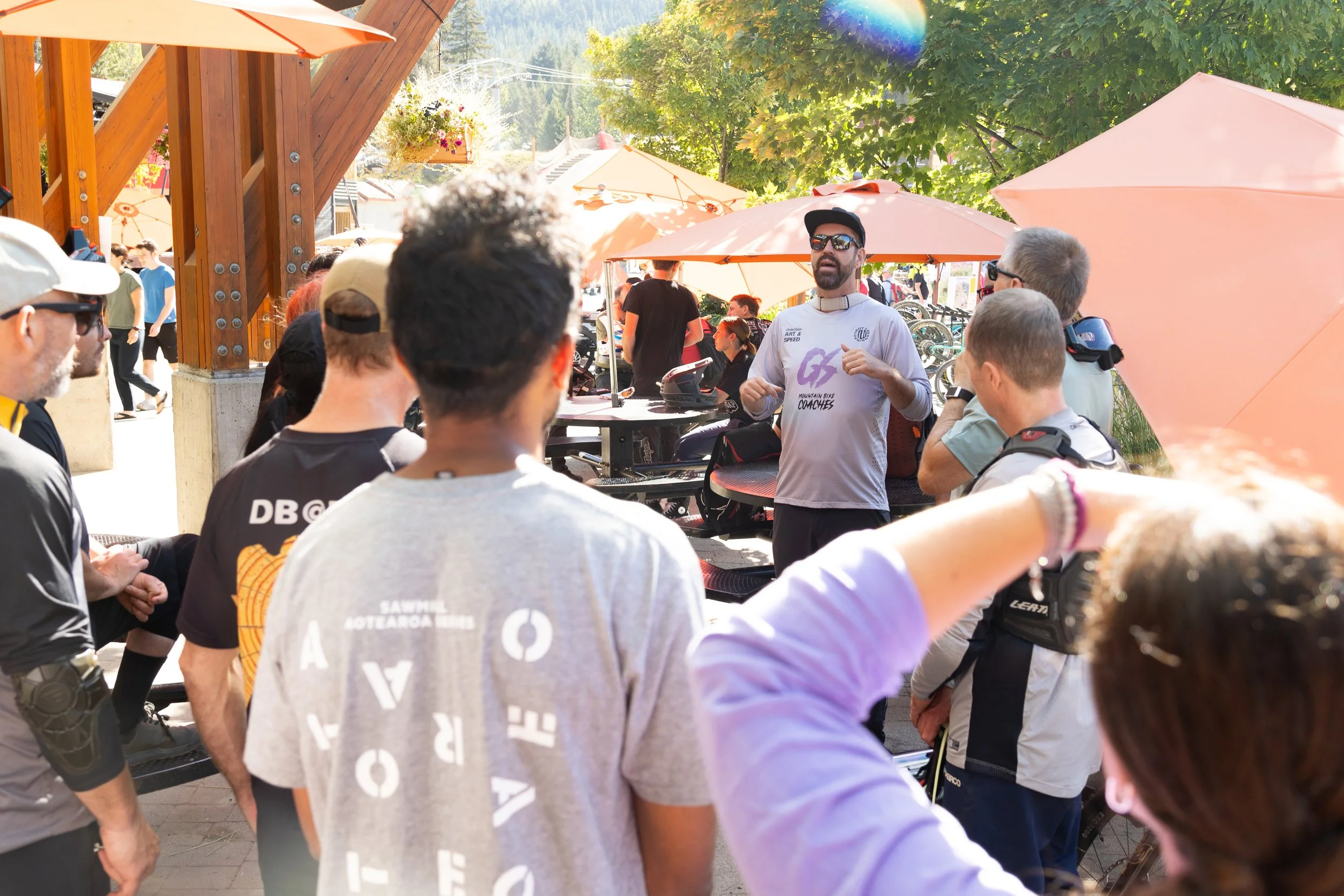
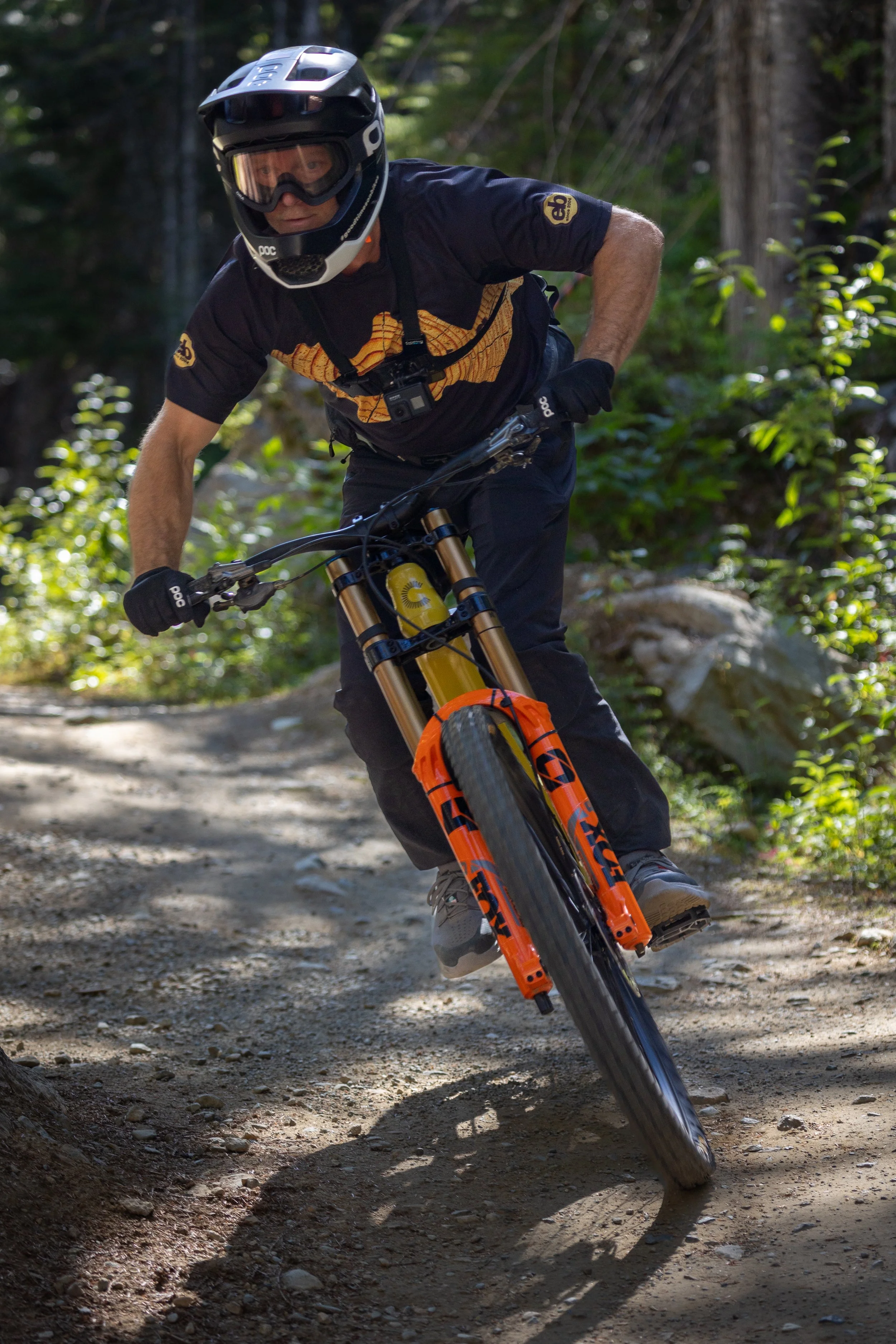
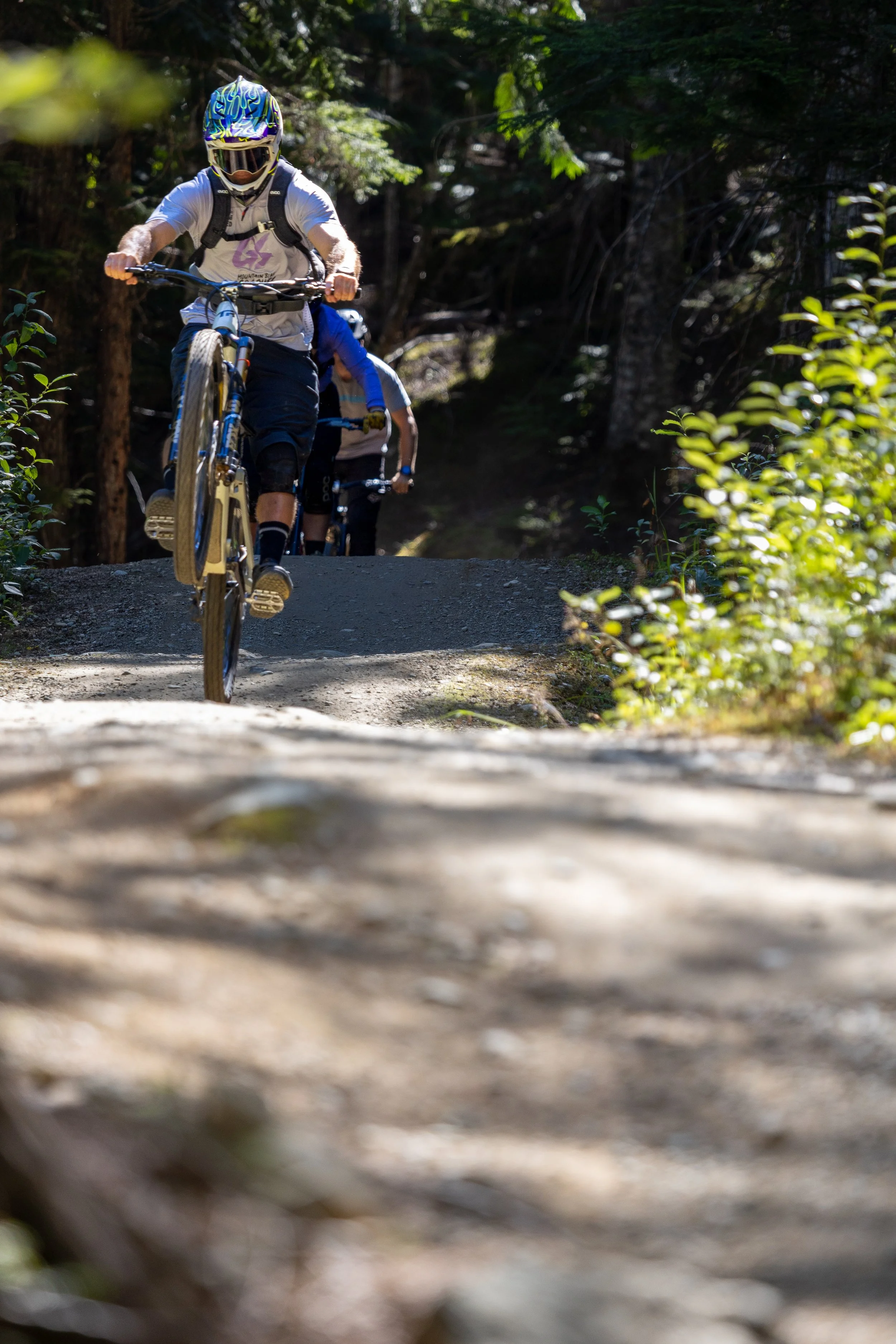
1. Building something new means letting go of certainty
Experience helps, but it does not eliminate doubt.
This year reminded us that launching GSMBC was not about executing a perfect plan. It was about making informed decisions, testing ideas, listening closely, and being willing to change course when something did not land the way we expected.
Letting go of certainty made space for better questions, better conversations, and ultimately better education. The organization is stronger because it evolved in response to reality, not assumptions.
2. Coaches do not want to finish learning
One of the clearest signals this year was that coaches are not looking for an endpoint. They are looking for ways to keep evolving.
Some wanted deeper technical understanding. Others were drawn to mental skills, adaptive coaching, e-MTB education, or cognitive strategies. Many wanted learning that fit around real lives, seasons, and work, rather than rigid timelines.
This reinforced the idea that coach education works best when it supports continuous development, not just progression through levels.
3. Standardization is the operating system, but local mentors are the heart
A consistent framework matters. Shared language, standards, and structure create safety and clarity. But this year made it clear that none of that works without strong local mentors.
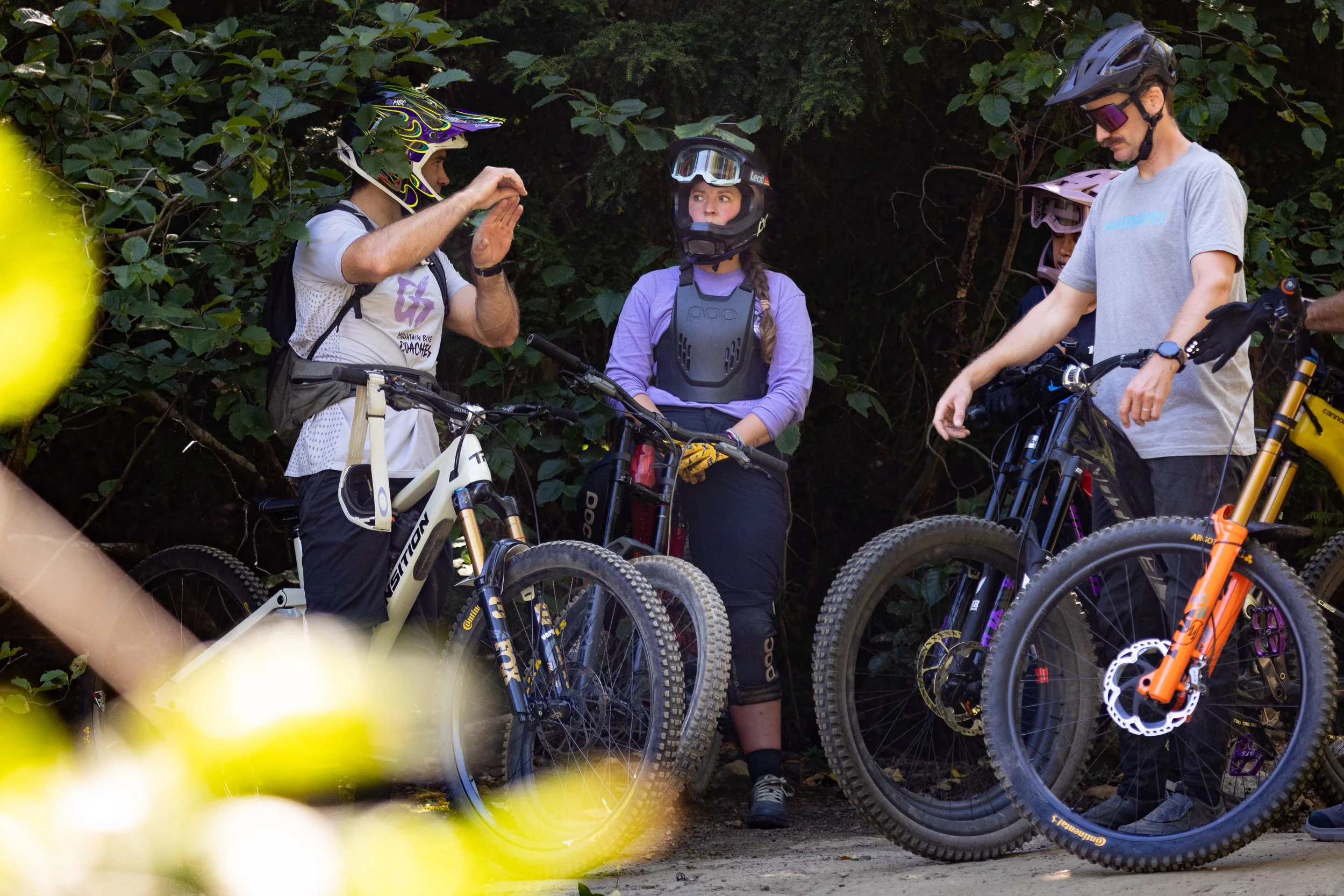
Mentors understand their terrain, communities, and cultural context in ways no centralized system ever could. The most effective courses, conversations, and outcomes came from mentors shaping the education locally, not delivering it mechanically.
GSMBC does not grow because it shows up everywhere. It grows because mentors carry the work where they live and ride.
4. People genuinely want to learn, even online
There is a lot of skepticism around online education, especially in a sport built around movement and terrain. This year challenged that assumption.
When online learning was clear, practical, and connected to real coaching scenarios, coaches showed up. They engaged, asked thoughtful questions, and applied what they learned on the trail.
The takeaway was not that online replaces in-person education, but that good learning design matters more than the format.
5. Community is still the core
Courses and content matter, but they were never the most meaningful part of the year.
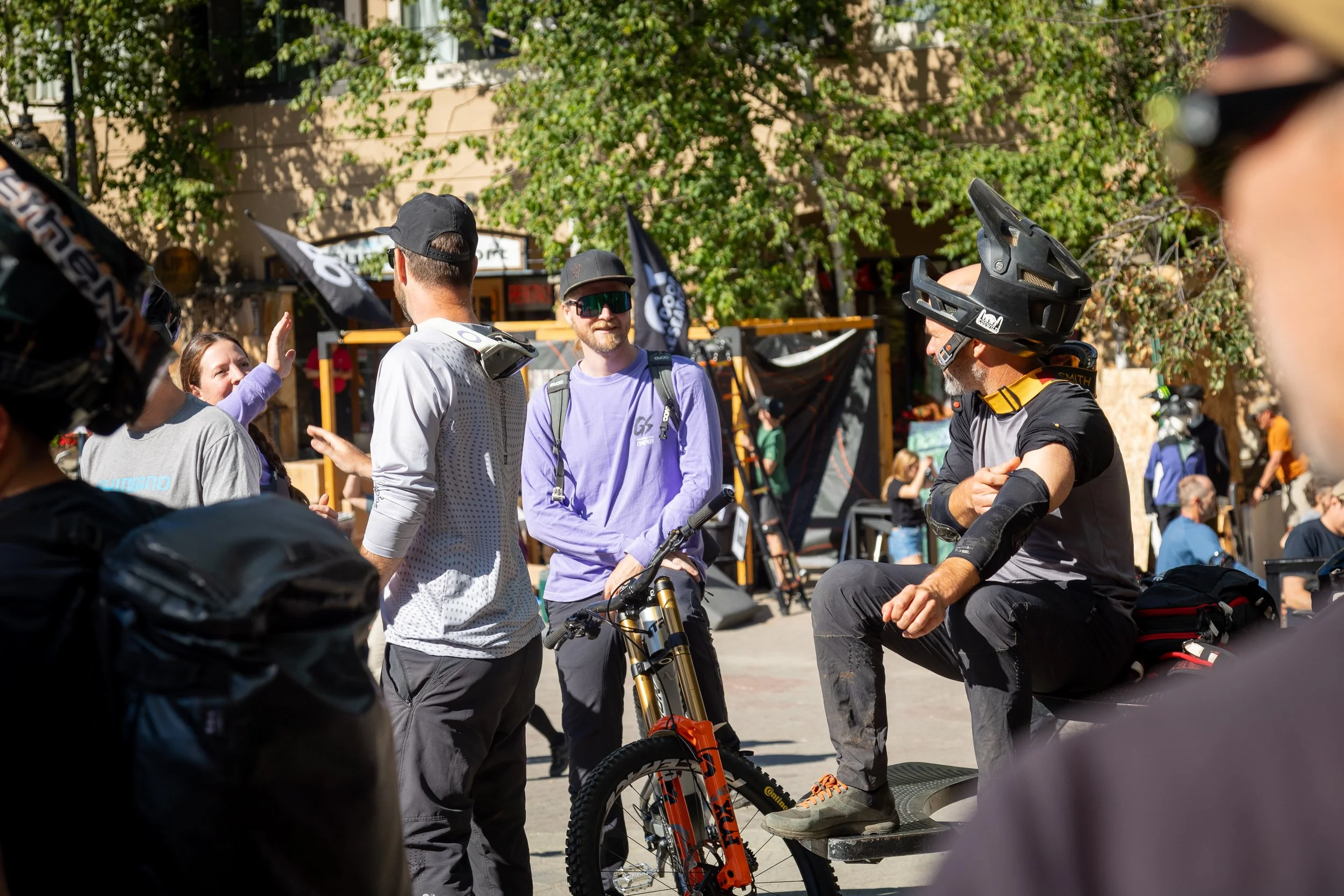
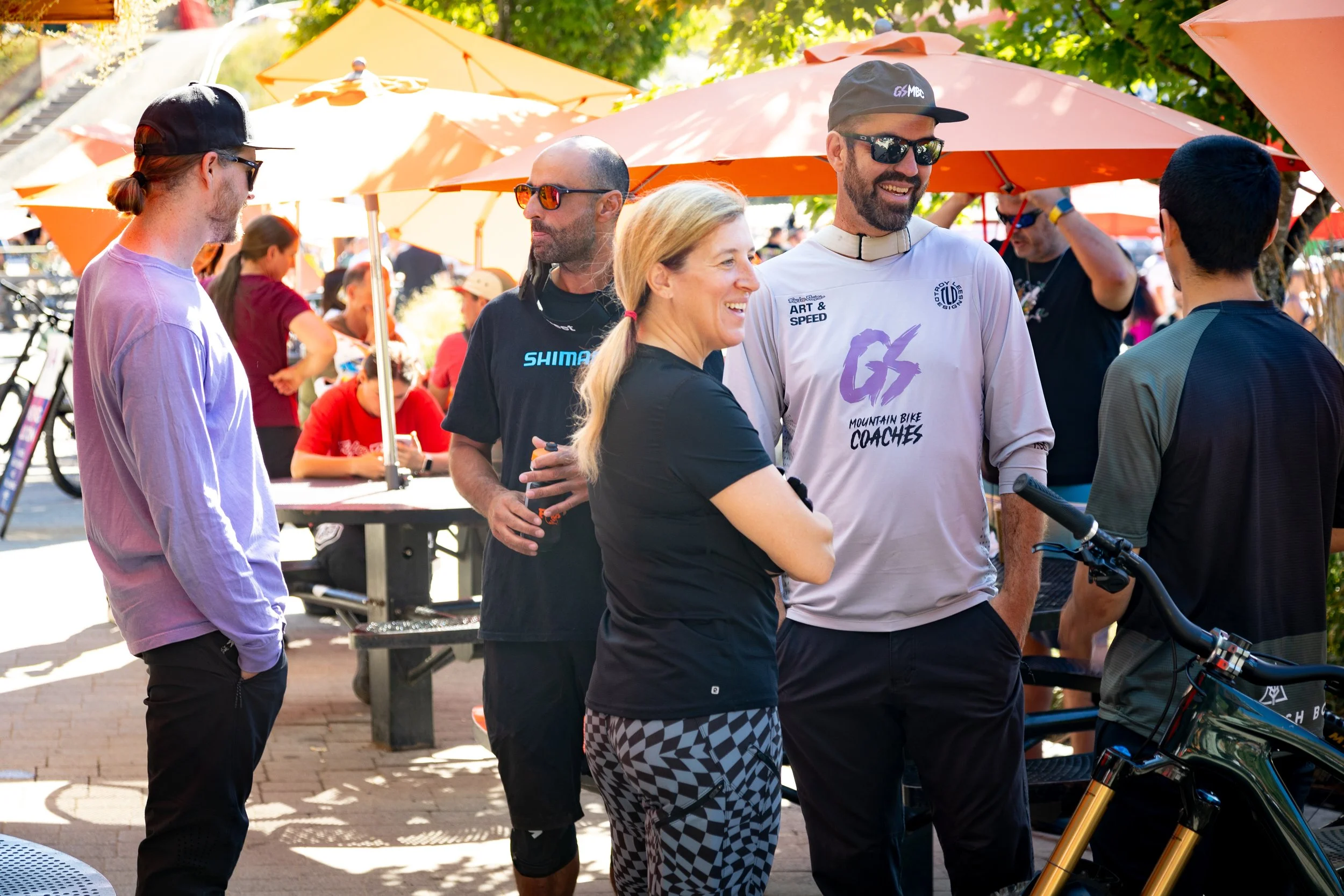
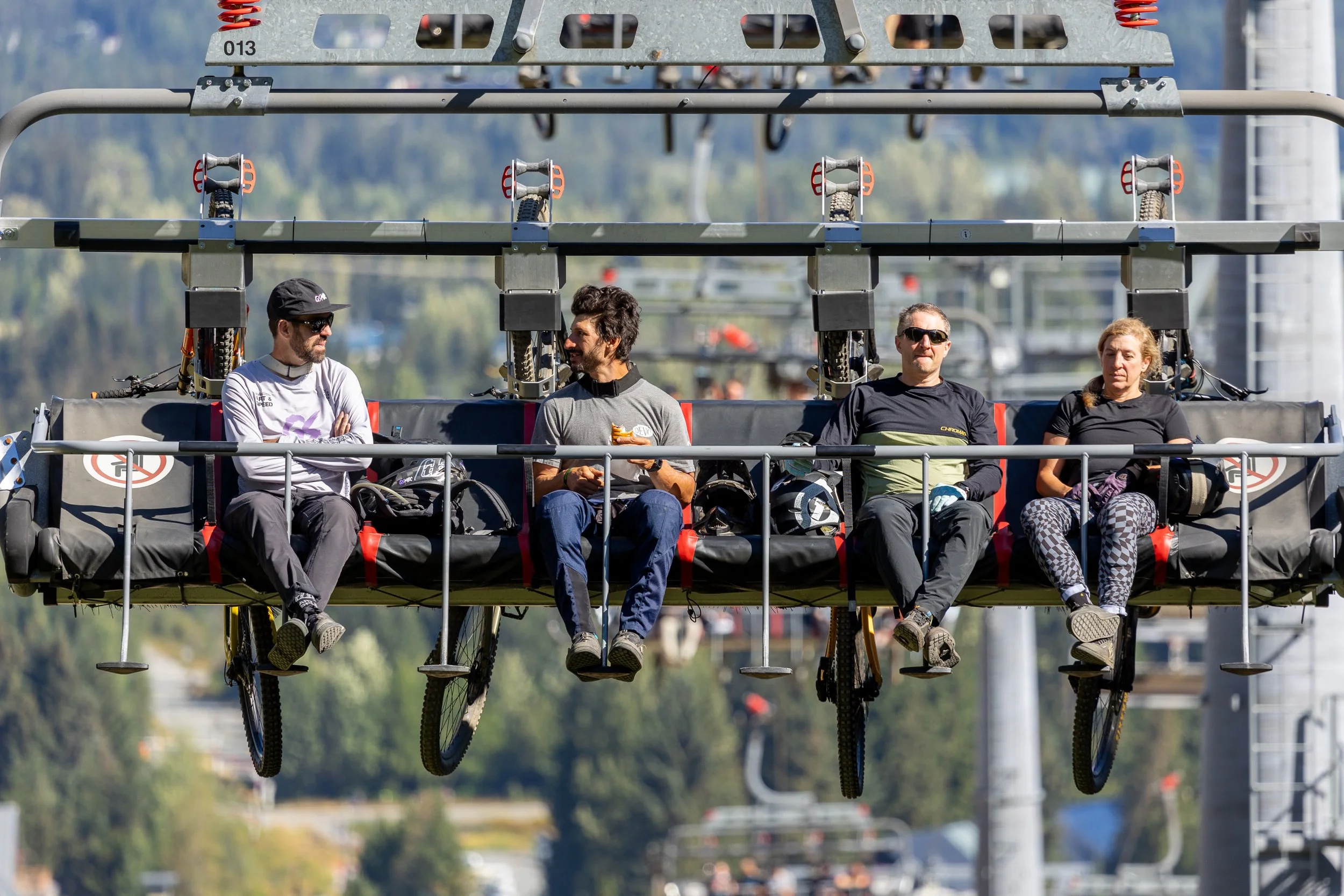
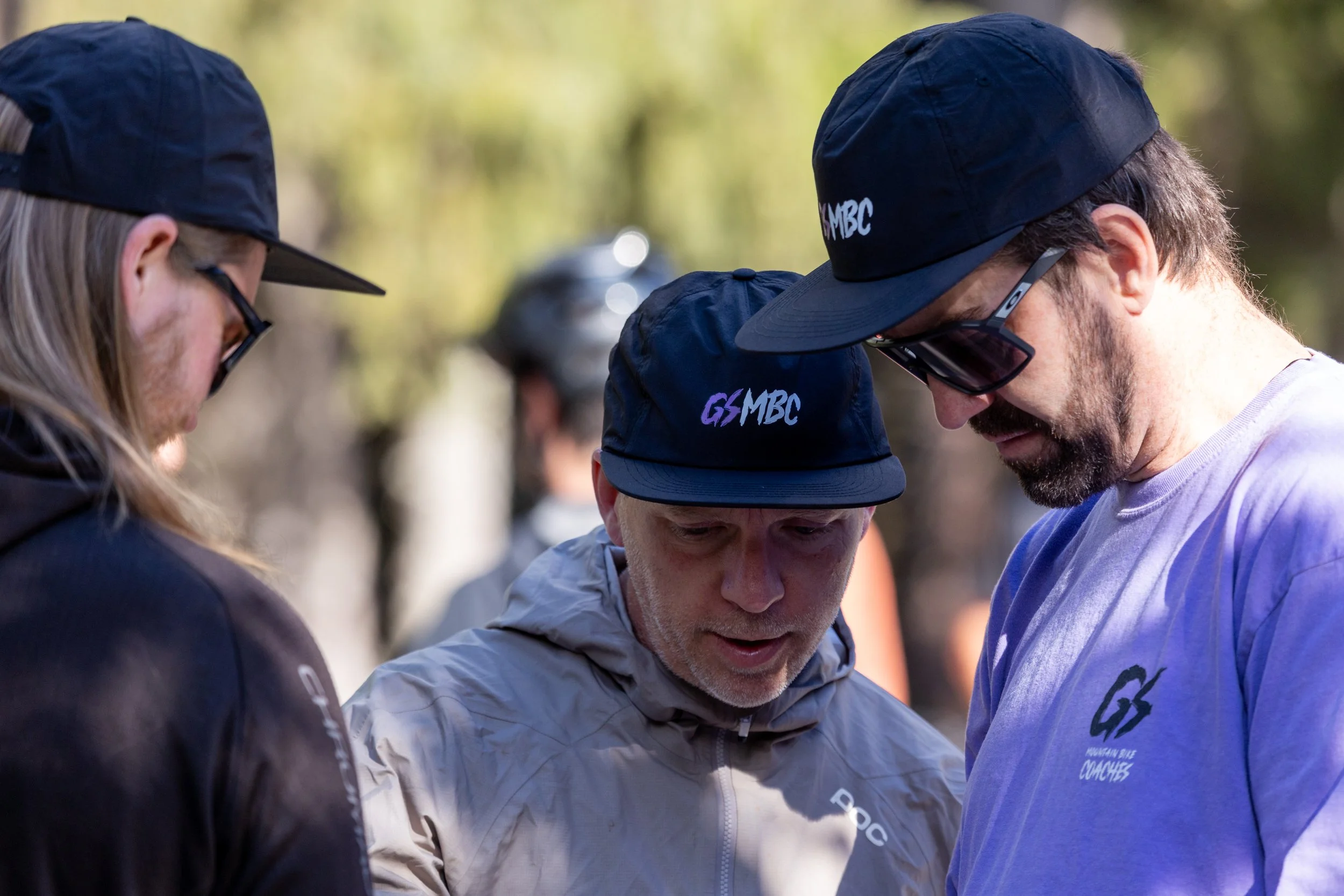
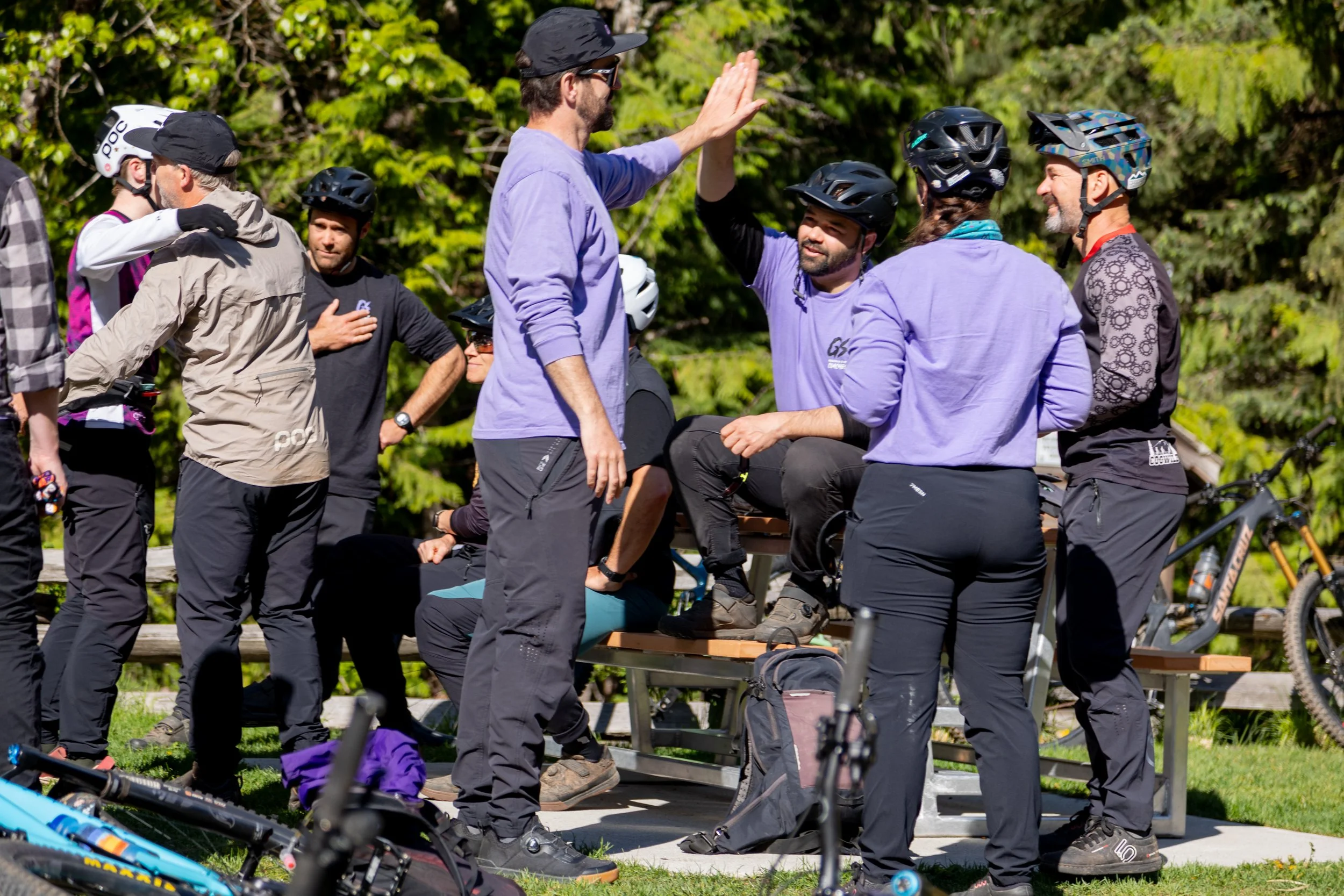
What stood out were the ride days, post-course conversations, mentor discussions, webinars where coaches stayed late to ask questions, and the quiet sense that people felt part of something shared.
Community is not a feature. It is the environment that makes learning stick. This year reinforced that education works best when people feel connected, supported, and seen.
Join our Year Round Community @ GSMBC (850+ Members)
None of this happened without challenges, and none of it felt automatic. But taken together, these steps helped establish a foundation that feels both solid and adaptable.
As we look toward 2026, the focus remains the same: support coaches, invest in mentors, and continue evolving coach education in ways that are affordable, accessible, and genuinely useful.
We are grateful to everyone who contributed their time, trust, and energy this year.
The work continues.
A Few Tangible Milestones from the Year
Alongside the learning, a lot of real work happened on the ground. Here are some of the concrete steps that shaped GSMBC’s first year.
New courses and areas of focus
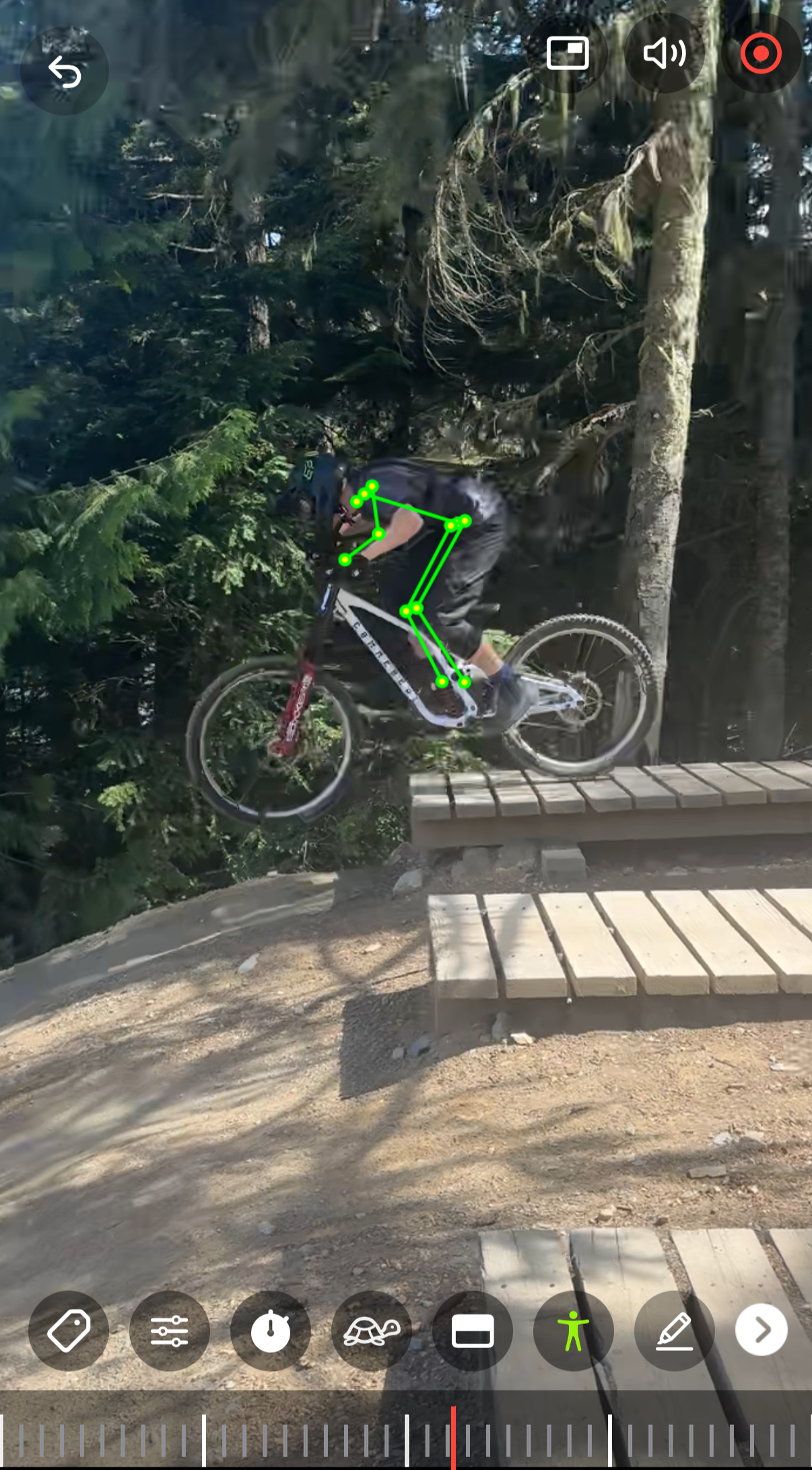
We introduced the Intro to Air Certification to help bridge the gap between Level 1 and Level 2 FLOW, giving coaches clearer tools for teaching airtime progression. We also launched Coaching the Mind, bringing mental skills and psychological safety into the core coaching conversation.
Adaptive coaching
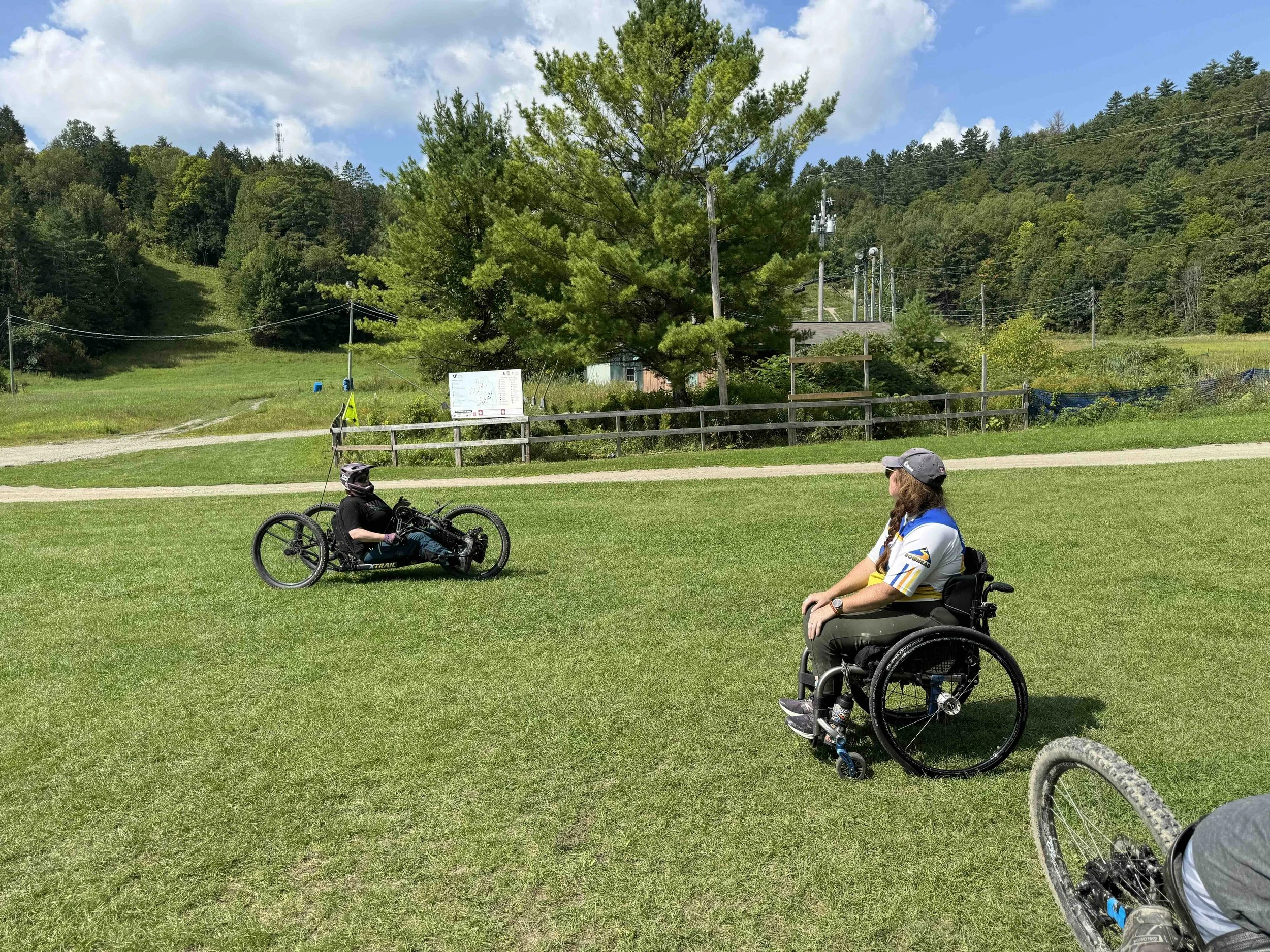
Adaptive courses ran throughout the year, alongside participation in key adaptive-focused events. These experiences helped expand access to coaching education while continuing to raise the standard for working with riders of all abilities.
Evolving programs and materials
Courses and resources across the system were updated and refined, reflecting current coaching practice and setting a stronger foundation for the next phase of coach education.
Online learning and infrastructure
A new learning management system was introduced, supporting interactive online workshops and coach education in areas such as Adaptive, E-MTB, Cognitive Strategies, and Kids coaching. The focus remained on clarity, practicality, and real-world application.
Membership and coach support
Optional membership tiers were introduced to give coaches more flexibility in how they engage with GSMBC, alongside expanded pro-deal opportunities and partnerships to support working coaches.
Community and shared learning
Free Syndicate Coach Ride Days, monthly community webinars, masterclass sessions, and regular articles created space for ongoing conversation, connection, and knowledge sharing beyond formal courses.
Mentor network growth
The mentor team continued to grow, bringing together a wide range of experience, perspectives, and regional knowledge. Local mentors remained central to how education was delivered and adapted.
Crossover pathways
Coaches certified through other programs were welcomed into GSMBC at no cost, strengthening the network and encouraging open exchange of ideas rather than duplication of effort.
Industry presence
GSMBC was present at key industry events, including Crankworx and Sea Otter Australia, contributing to broader conversations around coaching, education, and progression.
Partnerships and locations
Work continued with partners such as BC Cycling and CASI, alongside bike parks and locations across North America, Europe, Africa, South America, Australia, and New Zealand. These relationships ensured coach education stayed connected to real terrain, real programs, and local context.