New Year, New Me?
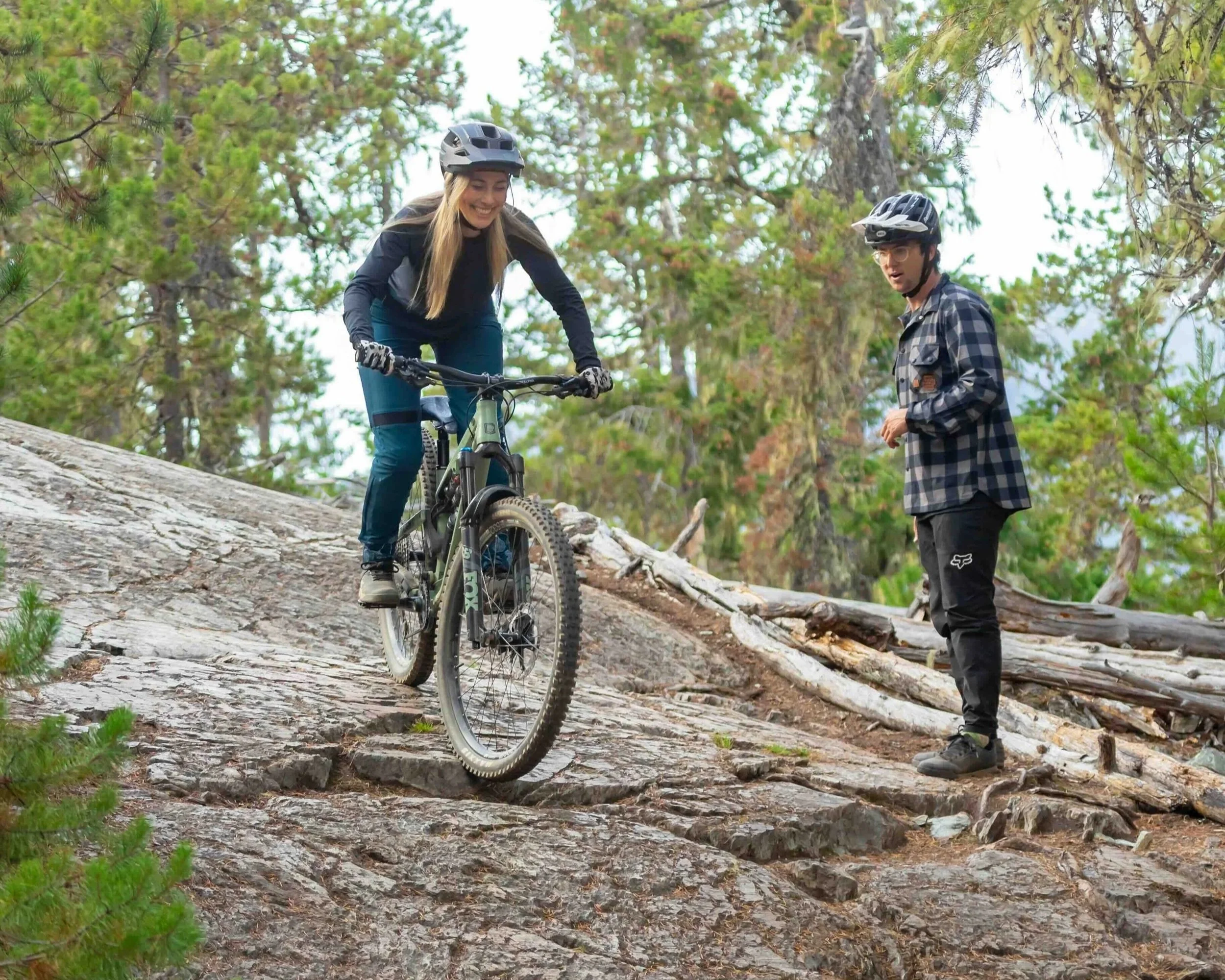
Resolutions and Better Coaching Strategies
New Year’s resolutions fade fast: one report found only about 25% of people stay committed after 30 days, and under 10% ultimately achieve their resolution.
This fresh start effect – the motivational boost we feel at temporal landmarks like New Year’s Day – is well-documented in behavioral science. As coaches, we can’t afford to let our athletes’ progress hinge on a one-month burst of motivation. To drive long-term improvement, we need to understand why resolutions so often fail and apply a more strategic, science-backed approach to goal setting year-round.
In this article, we distill the psychology behind goal-setting and behavior change into practical coaching insights. We’ll briefly summarize why the typical “New Year, New Me” resolution tends to collapse, and then outline clear coaching applications to keep your riders on track.
The tone here is practical and direct – no fluff, no generic rah-rah motivation. Our focus is on evidence-based strategies that you, as an MTB coach or instructor, can use to structure better training programs and sustain your athletes’ progress well past January (or whenever they decide to start). Each insight ties back to coaching impact, showing how you can translate psychology into better rider outcomes. Let’s jump in.
The Science Behind “New Year, New Me”
New Year’s Day feels like a natural reset button. It marks a clear break between the past and what’s next, which makes people feel ready for change. This “fresh start” energy gives us a boost in motivation. You’ll see it in packed gyms, people setting big goals, and riders suddenly fired up about training. As a coach, you’ve likely noticed students coming into January with big ambitions and a sense that this year will be different.
However, the fresh start effect is a double-edged sword. Initial excitement fades quickly if it isn’t reinforced by daily action. A burst of willpower on January 1 is not a substitute for sustainable routines.
Behavioral scientists emphasize that lasting change requires converting intentions into habits and aligning goals with one’s deeper values – factors that one holiday can’t magically provide.
“No matter how good your intentions are, resolutions aren’t effective because behaviour change is complicated and difficult to achieve”
In fact, lack of effective habit formation is a primary reason resolutions fail, which brings us to our next section.
Before we dive into coaching strategies, let’s quickly review the common pitfalls that derail so many New Year’s goals. Understanding these failure points will clarify what NOT to do when guiding your athletes.
Why New Year’s Resolutions Often Fail
Even motivated riders with sincere intentions can stumble if their goal-setting approach is flawed. Research in psychology and coaching consistently points to a few key reasons why resolutions fail:
No Habit in Place - People set goals but don’t build routines around them. They rely on motivation or willpower, which fades quickly. Without consistent cues and actions, old habits take over.
Too Many or Unrealistic Goals - It’s common to kick off the year by setting five big goals at once. That’s a fast track to burnout. Think of it like hitting a buffet and piling your plate with more food than you’ve ever eaten, expecting your stomach to somehow handle it. It doesn’t work that way; neither does goal setting. You won’t suddenly have more time, energy, or discipline just because the calendar flipped. Expect to get about the same done this year as last. If you want to take on something new, you’ll need to let go of something else. Focus wins.
Vague Goals with No Clear Target - Saying “I want to get better” means nothing unless you define what that looks like. Without specifics or a way to measure progress, there’s no way to stay motivated - or know if you're improving.
No Real Personal Meaning - If a goal doesn’t align with who someone is or what they care about, it won’t stick. External pressure (like trends or peer influence) wears off fast. Purpose matters more than hype.
Lack of Accountability or Feedback - When no one’s watching, it’s easy to skip sessions. Without regular check-ins, small wins get missed, and motivation fades. People are far more likely to succeed when someone tracks their progress.
No Backup Plan for Real Life - Resolutions are often built for ideal conditions. But when life gets messy - travel, injury, busy schedules - goals fall apart. Without built-in flexibility, even one disruption can derail the whole plan.
Resolutions fail when they’re just wishful thinking – when they lack concrete planning, realism, personal relevance, and support.
The good news is that each of these failure points has a counter strategy that coaches can use to set athletes up for success. Instead of vague, one-off New Year goals, we can implement structured, science-driven programs that keep riders progressing all year. The next section outlines exactly how.
Coaching Strategies for Lasting Change: From Resolution to Year-Round Progress
Below is a clear, numbered list of practical coaching applications, each grounded in psychological research. Use these strategies to design better training plans and mentorship approaches that avoid the usual pitfalls.
Set Clear, Measurable Targets - Vague goals don’t stick. “Get better at riding” doesn’t mean anything without specifics. Turn it into “Ride X trail at Y speed by March” or “Clear that rock garden without dabs by spring.” If you can measure it, you can coach it. And if your rider can see progress, they will stay engaged.
Build Habits, Not Hype - Willpower fades. Habits stick. Help your riders plug training into their routine. Tie sessions to something they already do, like riding right after morning coffee. The goal is autopilot, not daily motivation battles. Keep it repeatable, simple, and consistent. Think rhythm, not drama.
Limit the Load - More goals mean less success. Chasing five things at once is like trying to ride five lines at the same time. You will crash all of them. Focus on one priority. Nail it, then move on. Progress stacks better than overload.
Track Progress and Celebrate Small Wins - What gets tracked, improves. Use check-ins, logs, or simple markers to show riders where they’re getting better. Even small wins matter - they build belief and momentum. One of the most powerful tools here is video. Platforms like sportsense make it easy to record, review, and compare footage over time. Whether it's body position on a corner or timing on a jump, seeing improvement on screen turns vague feedback into proof. It’s not just “you’re riding better,” it’s “look what changed.” That kind of visual progress keeps riders bought in.
Use the data to adjust quickly. If progress stalls, change the plan by adding volume, tweaking recovery, or shifting the focus. That kind of responsiveness shows your rider you’re paying attention. Build in regular check-ins. A Monday message asking “What’s the plan this week?” or a Friday recap helps keep them accountable. Just knowing someone is paying attention makes follow-through more likely. As their coach, you are the built-in feedback loop. Track the small stuff, highlight the wins, and keep momentum moving forward. Progress is the best motivator, so make it visible.
Tie Goals to What Actually Matters - Motivation fades fast if the goal doesn’t mean something. Always dig for the “why” behind what your rider wants. Link the goal to something personal - like keeping up with their kids or proving they can handle challenge. When it matters to them, they’re more likely to show up, especially when it gets tough. Purpose beats pressure.
Build Confidence Early - Confidence drives consistency. Help riders lock in a quick win early on - something realistic but earned. A faster lap, a clean corner, a well-executed drill. When they see progress, they start to believe they can change, and that belief keeps them showing up. Stack small wins and they’ll stop relying on willpower. They’ll start seeing themselves as someone who follows through.
When coaches apply these strategies, New Year’s motivation turns into long-term progress. Riders stop chasing short bursts of change and start building consistent momentum. With structure and support, you are not just helping them stick to goals, you are helping them become the rider they set out to be. Make goal-setting part of the rhythm all year.
Revisit, adapt, and anchor it to moments that matter and create a process that actually works.
If you liked this article, and want to dive deeper into the science behind the New Year, New Me, below are the references included in this blog.
Amabile, T. M., & Kramer, S. J. (2011). The power of small wins.Harvard Business Review, 89(5), 70-80.
Bandura, A. (1977). Self-efficacy: Toward a unifying theory of behavioral change.Psychological Review, 84(2), 191-215.
Cantor, C. (2020, January 25). Are your New Year’s resolutions fading? Try a different approach.Columbia News. Retrieved from Columbia University website:[1][4]
Chaudhuri, A. (2023, November 27). The buddy boost: How ‘accountability partners’ make you more successful.The Guardian. Retrieved from[7][8]
Dai, H., Milkman, K. L., & Riis, J. (2014). The fresh start effect: Temporal landmarks motivate aspirational behavior.Management Science, 60(10), 2563–2582.
Lally, P., van Jaarsveld, C. H. M., Potts, H. W. W., & Wardle, J. (2010). How are habits formed: Modelling habit formation in the real world.European Journal of Social Psychology, 40(6), 998–1009.
Locke, E. A., & Latham, G. P. (2002). Building a practically useful theory of goal setting and task motivation: A 35-year odyssey.American Psychologist, 57(9), 705–717.
Moniuszko, S. (2024, December 31). New Year’s resolutions often don’t last. Here’s why they fail and how to keep them, according to an expert.CBS News. [10][3]
Neal, D. T., Wood, W., & Quinn, J. M. (2006). Habits – a repeat performance.Current Directions in Psychological Science, 15(4), 198–202.
Norcross, J. C., Mrykalo, M. S., & Blagys, M. D. (2002). Auld lang syne: Success predictors, change processes, and self-reported outcomes of New Year’s resolvers and nonresolvers.Journal of Clinical Psychology, 58(4), 397–405.
Russell, M. (2024, May 30). Why celebrating small wins matters.Harvard Summer School Blog. Retrieved from[11][12]
[1][2][4][5][9] Are Your New Year's Resolutions Fading? Try a Different Approach. | Columbia News
https://news.columbia.edu/news/resolutions-new-year-change-behavior-values
[3][6][10] New Year's resolutions often don't last. Here's why they fail and how to keep them, according to an expert. - CBS News
https://www.cbsnews.com/news/new-years-resolutions-tips-why-they-fail/
[7][8] The buddy boost: how ‘accountability partners’ make you healthy, happy and more successful | Health & wellbeing | The Guardian
[11][12] Why Celebrating Small Wins Matters - Harvard Summer School
https://summer.harvard.edu/blog/why-celebrating-small-wins-matters/